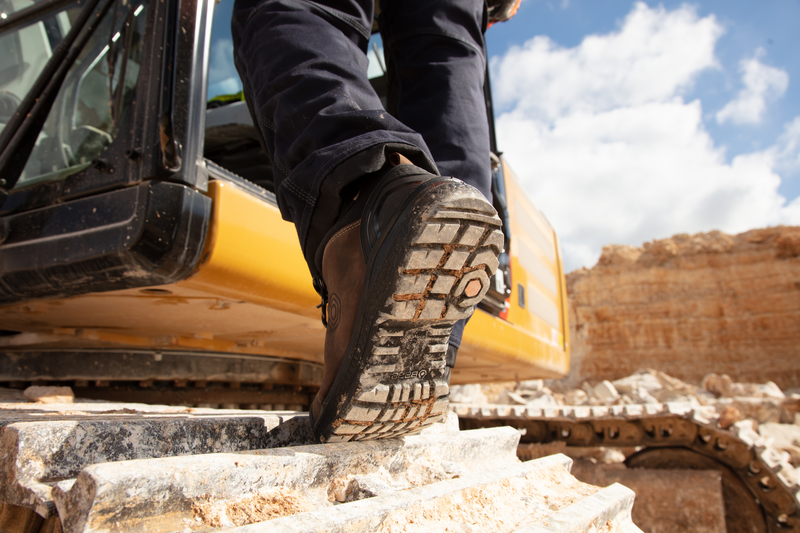
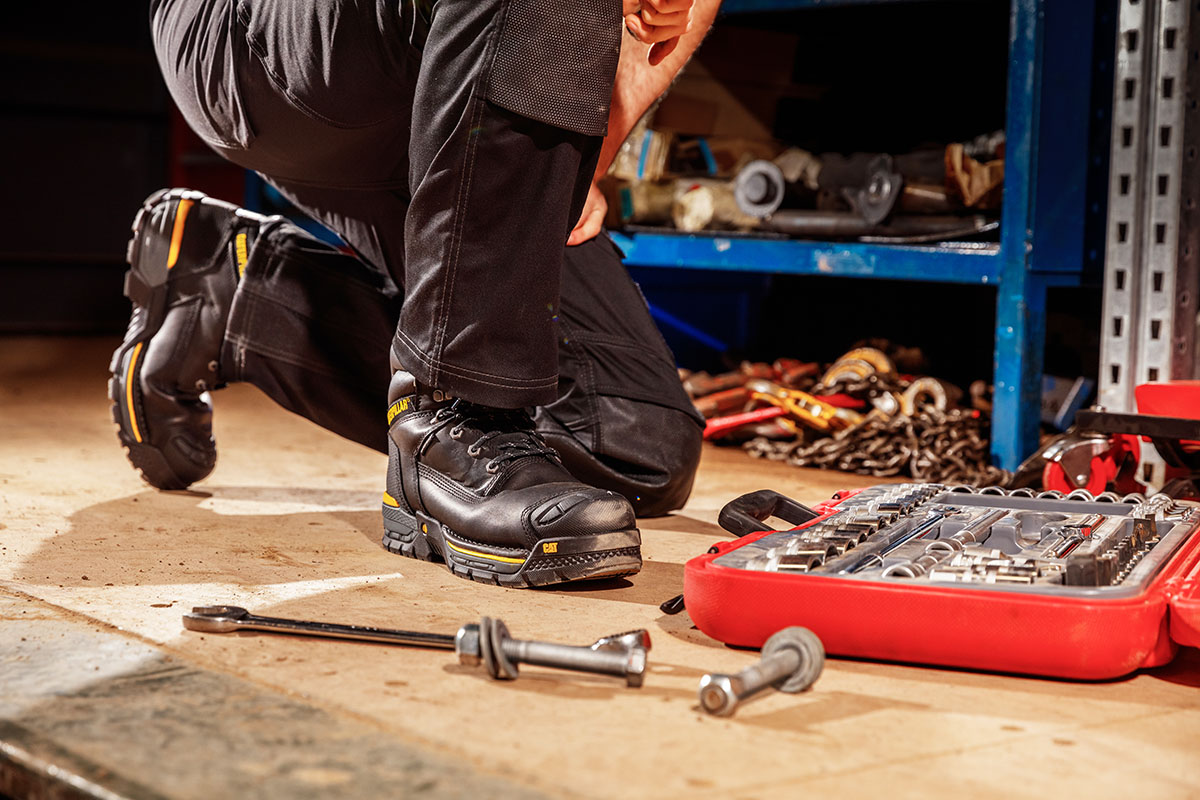
Wearing the correct Safety footwear is essential when working in an environment that requires safety from potential hazards such as a contruction site or a factory.
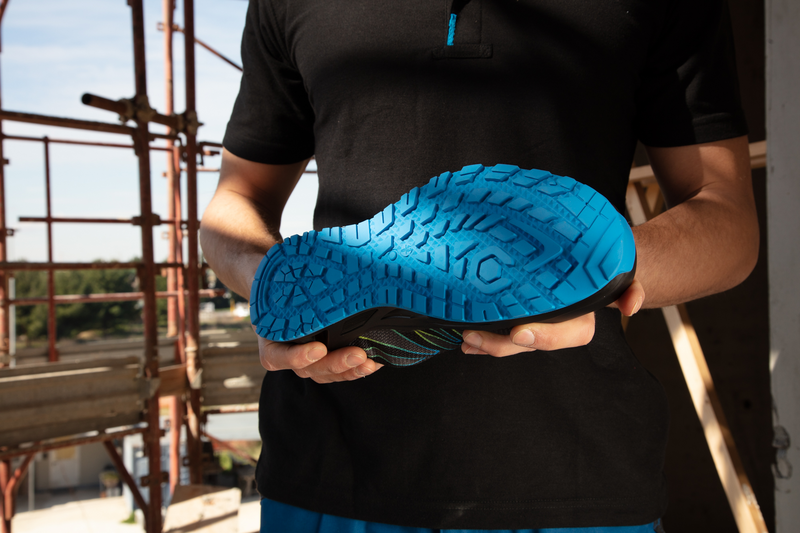
Safety footwear is meticulously tested to ensure that they comply with EN ISO 20345 as a minimum safety standard for safety footwear. Safety boots have additional safety features, including steel toe-caps, anti-penetration midsoles, and slip-resistant sole units.
Protecting your feet can help prevent injuries from falling objects or compression and can be worn throughout the working day. Your safety footwear should be inspected every time they are being worn, to look for any damage such as holes, dirt and buckles. When not being worn safety footwear should be cleaned and stored in a clean, dry space.
Footwear certification explained:-
In addition to the minimum level of protection covered by EN ISO 20345, there are various additional safety features that your footwear may offer.
Rating
Meaning
SB
Safety Basic, conformant to EN ISO 20345
SBP
As SB, with the addition of midsole penetration protection
S1
As SB, with the addition of a closed energy absorbing seat region, anti-static properties and resistance to fuel & oils
S1P
As S1, with the addition of midsole penetration protection
S2
As S1, with protection against water penetration and absorption resistance
S3
As S2, with the addition of midsole penetration protection
S4
As S1, moulded entirely from polymer/rubber. Leak-proof & waterproof.
S5
As S4, with the addition of midsole penetration protection
In many working environments it is also vital to wear footwear that will prevent you from slipping on flooring. The certifications and explanations for these classifications is below:
Abbreviation
Meaning
SRA
Tested on ceramic tile wetted with sodium lauryl sulphate (a diluted soap solution)
SRB
Test on steel with glycerol
SRC
Tested under both SRA & SRC conditions
You can learn more about slip resistant footwear by visiting the HSE website here
Click on our logo below to view our full range of Safety Footwear.
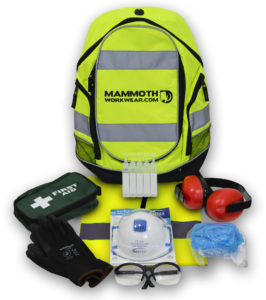
Keeping you and your workforce safe is something which you should take seriously, and without the correct equipment at hand – when an accident does happen, you may not be prepared to deal with it. We always think about the safety of our workforce, and all our customers. We’ve just launched an excellent new nine piece PPE Kit which is bundled inside a high visibility rucksack – packed with the essential protection and injury care equipment you need when on site.
So whats in the bag?
Shugon High Visibility Rucksack
Designed to stow away your valuables, and offer you a heightened visual presence – this compact yet spacious work bag is finished in either orange or yellow fluorescent colours with reflective striping details, and will house all your essentials whilst you’re on the move. The bag features adjustable shoulder straps and a comfy handle at the top for great portability. The main compartment offers plenty of room, but can easily be expanded on if need be with the handy exterior panel zip, which spreads the back out for even more room. There are two additional zipped compartments for housing smaller items, in addition to a handy interior pouch, which will accommodate a media player or mobile phone, with an audio port in the roof of the bag allowing you to listen to your favourite music on the move, whilst keeping your precious electronics safe.
The bag comes unbranded, but on request can be adorned with your own company logo.
ProForce PPE Safety Glasses
Your eyes are pretty important. So making sure they stay protected from hazards is a given. This great pair of Safety Glasses from ProForce are made with a lightweight frame, with adjustable arms to ensure a secure and comfortable fit. The lenses are crafted from a durable polycarbonate, with scratch resistant coating. They conform to EN116-1F for PPE personal eye protection standards.
ProForce EP01 Ear Defenders
The sound of machinery and ambient site noise can be distracting, and actually rather dangerous for your ears if you are exposed to prolonged high levels of noise. Keep your ears protected from damage with this pair of ProForce EP01 Ear Defenders. CE Approved to EN352-1, their lightweight and robust design is perfect for the active site or roadside worker. The contoured headband hold them in place, with the large domed cuffs effectively drowning out sounds, with soft, foam filled cups for maximum comfort.
Portwest P209 FFP2 Valved Mask (Triple Pack)
Suitable for protection against fumes and water based mists, in addition to fine toxic dust and contaminants up to 10 times the WEL, the Portwest P209 FFP2 Valved Blister Pack is a triple pack of handy dust masks. Their comfort cup shape creates a comfortable seal around the face, with an exhalation valve and adjustable nose clip. Elasticated straps secure the masks in place, and they are fully CE certified and adhere to EN 149:2001 plus A1:2009.
Warrior Nylon Coated Hyflex Gloves
These Hurricane Nylon Coated Hyflex Gloves are an ideal glove for fine handling of material and assembly, used for general light duty precision applications such as electrical, plumbing, inspection and assembly. Providing dexterity and comfort, these Warrior Hyflex Gloves are perfect for precise operations that require maximum levels of dexterity. They have a breathable and seamless liner, which is like a second skin. The polyurethane coating offers excellent hand protection in lightweight applications. With an EN388 level 4 abrasion resistance score, the glove provides superb performance, and in trials this product has received positive feedback from wearers; who prefer this glove to other styles of traditional gloves.
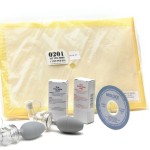
Steroplast Vehicle First Aid Kit
This is the lifesaver of your PPE Kit. This portable HSE compliant and NHS approved product comes in a portable zip bag, and can be kept either in the rucksack or stored in a vehicle close by. Inside the kit you will find the following:
1 x Pair of Scissors
1 x Med Sterile Dressing
1 x Eye-pad Sterile Dressing
1 x Non-woven Triangular Bandage
2 x Pairs Med Gloves
1 x Bag of Safety Pins
4 x Alcohol Free Wipes
20 x assorted hypo-alergenic plasters
1 x HSE first aid guide
Steroplast Eye Wash Pods
The eyes are susceptible to a number of work related hazards and injuries, and sometimes even a pair of glasses or goggles can let contaminants through to the surface of the eye. In the event of this, its imperative to flush out any foreign bodies before they cause any more damage. These eye was pods are a sterile topical solution, containing sodium chloride in purified water. The slim neck design makes them easy to apply, with greater accuracy.
Disposable Overshoes (100 pack)
When visiting some sites, it may be mandatory to have your feet covered with overshoes – stretched over footwear, they will keep surfaces from becoming contaminated from dirty shoes. This is especially important in places where hygiene is important – so any food processing factory would likely have site visitors wear something similar to this to protect their floors from foreign contaminants.
Class 2 Hi Vis Vest
Possibly one of the most essential pieces in any workers arsenal. A simple high vis vest, which conforms to en471 class 2. Lightweight and velcro fastened, this vest will ensure that you’re seen in low light and poor visibility.
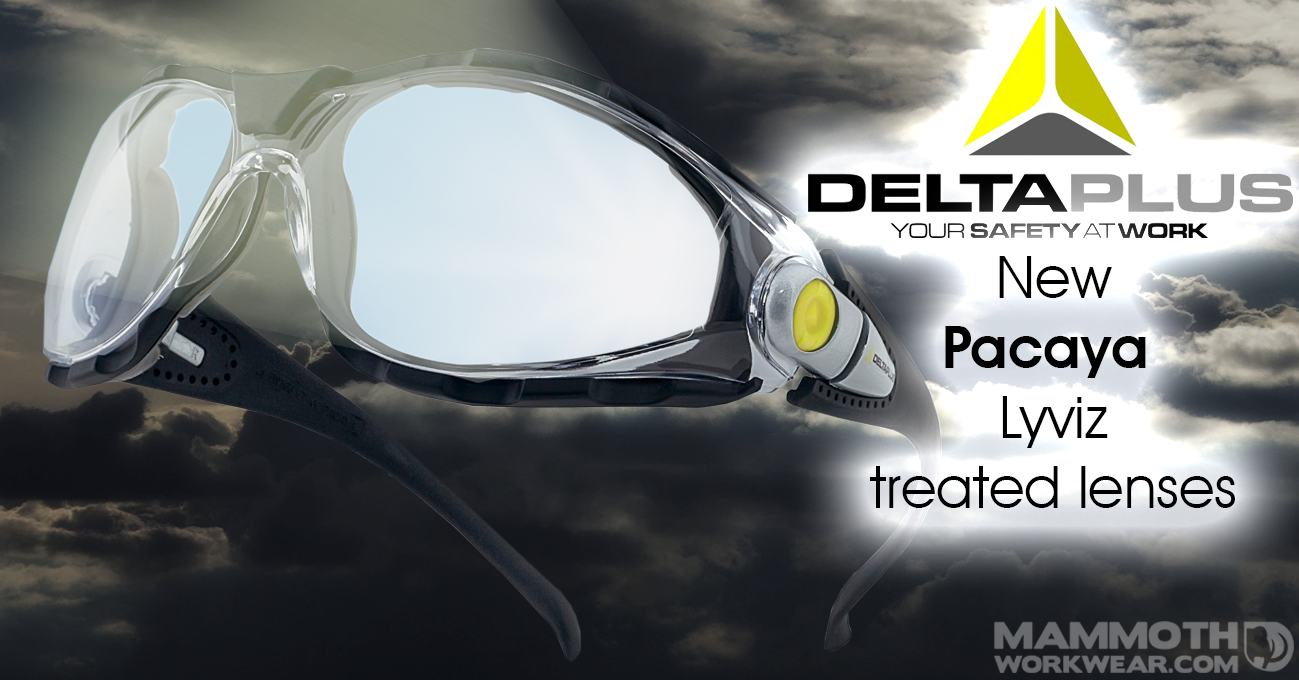
The DeltaPlus Pacaya Lyviz Safety Glasses are a fantastic advancement in lens technology for those who work within job roles in the oil and gas industry, automotive and decorating.
The lightweight and sturdy polycarbonate frame and nose piece features adjustable nylon arms, with a removable foam frame to protect the wearer from dust and offer shock protection in the event of impacts.
The main selling point of the DeltaPlus Pacaya Lyviz Safety Glasses are their excellent lenses. Infused with Lyviz technology, this gives the lenses a hydrophobic and oleophobic coating – meaning dirt, paint and water are repelled from the surface of the lens, to make them very easy to maintain and keep crystal clear. The lenses of the Pacaya Lyviz Safety Glasses also have a much higher abrasion resistance, and resist fogging.
Wipe or wash clean lenses.
Hydrophobic coating ensuring longer clean lenses.
Ideal for Oil, Gas, Painting & Automotive industries.
Polycarbonate single lens glasses.
Integrated polycarbonate nose piece.
Adjustable nylon arms.
Side protection.
Suitable for all faces with the tilting arms.
Removable foam frame for dust & shock protection.
UV400.
Anti-mist.
Anti-scratch.
EN166 Personal eye-protection 1 FT: Oculars marking.
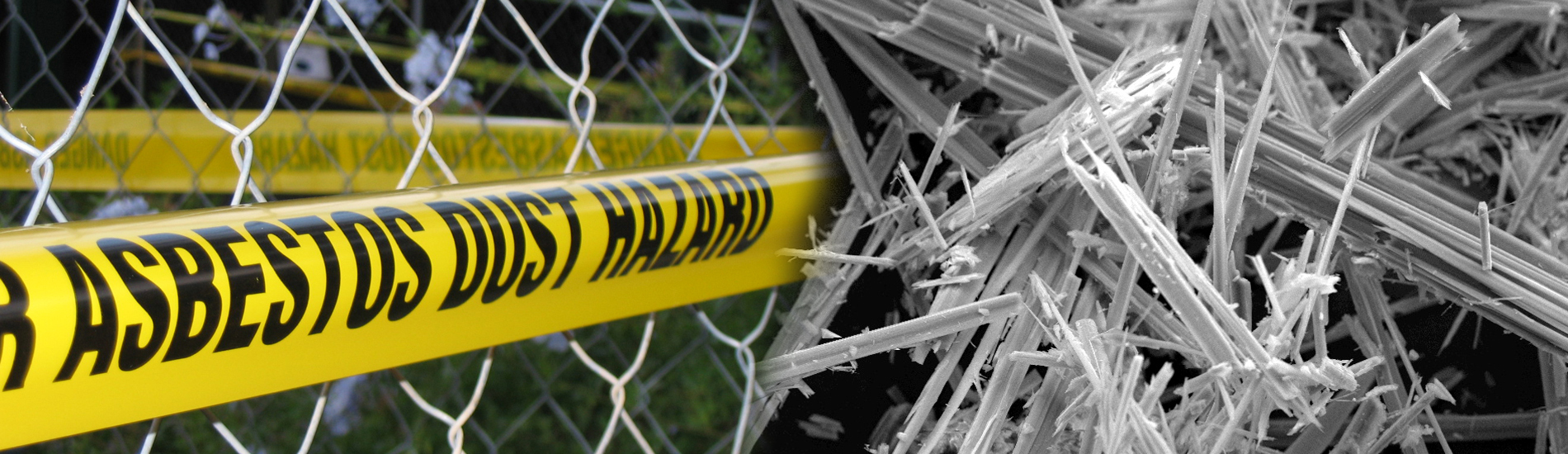
Asbestos is a dangerous material to come across, and must be dealt with in a safe and effective manner. This article should provide you with all the basics you need to know.
What is asbestos?
What does asbestos look like? Well, asbestos comes in three different colours:
Chrysotile (white)
Amosite (brown)
Crocidolite (blue)
Crocidolite (left), Chrysolite (center) and Amosite (right).
These are the main types of asbestos you will find in the workplace, although they are not always identifiable by colour alone. Amosite and Crocidolite asbestos are the two most deadly forms, but they have not been imported into the United Kingdom for over twenty years now. The use of asbestos was banned in 1985 in the UK, followed by the outlawing of Chrysotile asbestos with the exception of a few specialised uses.
What risks are there from asbestos?
There are many health risks associated with asbestos exposure, and unfortunately at the moment the majority of them remain uncurable. They are onset from inhalation of the fibres in the air and this can lead ot any of the following conditions:
Lung cancer
Asbestosis/Fibrosis
Mesothelioma
At present there is no cure for any asbestos related disease. In the UK alone there are up to 3500 deaths a year as a direct result of asbestos fibre inhalation, as well as reported figures of 2700 deaths a year caused from Mesothelioma in the United States. Unfortunately it is not always easy to diagnose an asbestos related disease, as symptoms can sometimes suffer a degree of lag from first exposure to the material, to the first actual symptoms of any related disease. This has been known to vary wildly from case to case, sometimes taking as little as 15 years to impact, sometimes even taking up to 60 years before any symptoms are identifiable. A large number of people who are dying from exposure at present, were originally in contact with the material between the 50’s and 70’s – which is way before the current set of regulations were introduced in 1985 and 1999.
Although it is plausible that a repeated low level of exposure to asbestos is linked to related diseases, there is a clearly well defined link between them when exposure is increased. Although considered a dangerous material, if asbestos is left intact and undisturbed when it is come across then it is unlikely any loose fibres will get airborne. Alarmingly a high number of sufferers come from the building trades: carpenters, joiners, electricians and shop fitters all run a higher risk of exposure to asbestos.
What types of buildings are likely to contain asbestos?
Asbestos is likely to be in any building which has been built or refurbished between 1950 and 1980, also if it has a steel frame structure or if the building has been equipped with boilers and thermal insulation. An important fact to remember is that between the 50’s and 80’s is that asbestos cement was widely used as a building material, so it can even be in places you wouldn’t expect it to be, so always be diligent when working onsite to lookout for anything which may indicate this.
Where is asbestos found in buildings?
Many thousands of tonnes of asbestos have been used in the past for construction. Much of this is still there, and it can be very difficult to identify, however the most common types and uses were for the following:
Sprayed asbestos, and asbestos loose packaging
This was generally used for fire breaks in ceiling voids.
Moulded and pre-formed sprayed coatings and laggings
This is how asbestos has been used to insulate pipes.
This was primarily applied to pipes and boilers as a thermal insulation.
Sprayed asbestos mixed with hydrated asbestos cement
A typical asbestos cement roof.
This was used as fire protection for a wide number of applications such as:
Ducts
Firebreaks
Panels
Partitions
Soffit boards
ceiling panels
Asbestos can also be found around structural steelwork, and has also known to be found inside insulating boards and wall partitions. Asbestos cement products have been known to be compressed into flat and corrugated sheets. Theses were used widely as roofing and wall cladding, whilst other uses of asbestos cement include gutters, rainwater pipes and water tanks, and also in reinforced plastics, mastic and other various sealants.
These fibres has also been found in millboard, paper and paper products that have been used for insulating electrical equipment, as well as also being used as a fireproof facing on wood fibreboard, certain textured coatings, decorative plasters and paints, ropes and even cloth.
How does asbestos get into the body?
Asbestos can only enter the body through the nose and mouth. Even though the human body will expel most larger fibres when inhaled, far smaller ones such as those from asbestos sometimes make their way into the lower half of the lungs, where they can sit for years. On some occasions they have even breached the lining of the lungs themselves. It can also be found naturally in water and some food; however the body can deal with it when ingested in that manner.
How do I protect myself and my co-workers?
FFP3 rated dust masks provide asbestos protection.
Asbestos dust can spread easily, but given the correct approach it is possible to protect yourself and your workforce in an effective manner. First and foremost you should ensure that your team is all equipped with suitable personal protective equipment and clothing, such as coveralls and respirators. Also ensure that all PPE is stored in a secure area away from all possible contaminants, and that no PPE is ever taken off site. Bare in mind when taking breaks, even for something as simple as a coffee or a quick cigarette – it’s paramount that you thoroughly wash your hands and face before you do anything, as well as at the end of the day before you leave. Also try to separate working areas from areas where you are eating and drinking.
Any materials which you plan to work on that may contain asbestos should be dampened whilst you work on them, this saturates the fibres, meaning they are less likely to become enter the air, also remember to re-dampen once in a while also. As another precaution, power tools should be omitted altogether when working with asbestos based materials. Instead; use hand tools – however tedious this may sound you ultimately have greater control over the speed of a hand tool than over that of a power tool, and a power tool creates substantially larger quantities of dust.
Any waste created whilst working with Asbestos based materials should be cleaned up as you go, and disposed of accordingly, don’t allow for debris to pile up otherwise it will dry out and if disturbed could release fibres into the air. Any waste should be contained securely in a suitable sealed container or in a heavy duty polythene bag – sealed then put inside a second bag and labelled clearly as asbestos waste. Any waste needs to be taken to a suitable facility, not a regular tip. Any dust which may still be left around can be cleared up by using a type H vacuum cleaner.
What PPE should I consider when working with Asbestos?
In order to stay protected around asbestos, you need to make sure that you have full body protection, and a respirator equipped with PP3 rated filters. Below is a small selection of products we stock which will help you stay safe.
Portwest Type 5&6 Overalls (50) £127.92 ex VAT
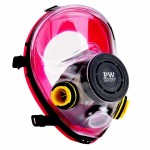
Portwest Zurich Full Face Mask £78.32 ex VAT
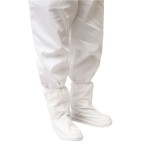
Portwest Biztex Boot Cover 6PB (200) £75.04 ex VAT
Moldex Fit Test Kit £133.44 ex VAT
We have also have a wide variety of EN149 respirators in stock to ensure safety when working alongside asbestos fibres, as well as other contaminants.
All hard hats should have a date of manufacture inside the shell like this.
Most jobs require you to wear Personal Protective Equipment of some kind, most commonly a hard hat – but were you aware that safety helmets carry a lifespan of between four to five years of usage (without an accident)? This is outlined in accordance to most manufacturers recommended guidelines. They won’t last forever as they are made from thermoplastics which degrades over time, impacting it’s protective properties.
If you are unsure about the age of your hard hat or you’re buying a new one from a retailer, always check the date of manufacture. This can usually be found inside the shell and will help you to determine how much longer it will provide optimal protection before it is considered unsafe. Of course if you drop a hard hat then it is rendered useless, and must be replaced immediately.
There are a number of things you can do to keep your hard Hat it in good condition:
Regularly replace the suspension inside to increase longevity of the helmet.
Never paint your hard hat, this could warp the plastic and severely affect its performance.
If you need to wash the shell, do so in warm water using a mild detergent.
Perform weekly checks for any bumps, scrapes, dents and cracks.
Do not store your Hard Hat in direct sunlight (such as in the back of a car or van), the sun will weaken the outer shell.
There are other signs that your hard hat may have seen better days, these include a faded or misty looking shell. There maybe excessive wear and tear to the suspension as well. When it comes to safety, people often disregard the importance of their hard hat and never maintain them. They are very important for your safety on site, and that maintenance may make all the difference in the event of an accident.
Not got yours yet? We have an excellent selection of EN 397 Hard Hats to choose from.
It’s safe to say that technology over the past 20 years has come on in leaps and bounds. Everything from televisions, mobile phones, video game consoles, car and much more have accelerated in ways we could never have imagined – fancy telling somebody playing snake on their phone back in the mid 90’s that they’re going to be able to watch movies, order their shopping and much more on a phone with no physical buttons!
But whilst electronics and other mediums have benefit from leaps in technological advancement, workwear has yet to make a true to form “next generation” leap. What does the future hold in terms of workwear and safety? We’re going to take a look at a few of the exciting possibilities in the future of workwear.
Illuminated Clothing
Hi vis might be a thing of the past
Its a worrying statistic, but on average the number of fatal road related accidents increases by up to 400% in low light conditions. This applies to pedestrians on their travels, and workers on roadsides. Typically the professional workers are bound by law to wear high visibility garments at all times, but no pedestrian is likely to wear a high vis jacket – its hardly a flattering look.
However, recent advancements in illumination technology might just hold the key to an exciting safety breakthrough. By infusing items with EL fabrics and a series of microprocessors, it now may be possible for any item of clothing to effectively become an illuminated safety garment, changing the way we look at safetywear and protective clothing forever. Forget low-light clothing, the future is no-light clothing.
Reflective strips could become a thing of the past, with lights interwoven into the fabrics themselves, capable of turning a bog standard T-shirt into a light show – lets face it, you’re not going to miss somebody if they’re lit up like a Christmas tree!
Advanced Cooling Polymers
A close-up of Omni-Freeze fabric
Working indoors and out, you know after a few hours hard work that you’re going to build up a sweat. There are currently a whole host of specialist fibres and garments which provide moisture transportation and effective cooling methods – but wouldn’t it be much “cooler” if these shirts actually reacted to your body heat, and cooled you down?
Sportswear brand Colombia are gearing up to release their Omni-Freeze ZERO range in 2013. These shirts and shorts, and in future – trainers, incorporate special polymers which react to body sweat, and expand to increase airflow around the garment. Colombia claim this new technology is that efficient, its actually cooler than taking your top off altogether! Its unclear about any further applications, but it promotes an exciting step forward, and has some brilliant uses if it was effectively combined with workwear in the future.
Heads up displays (HUD)
Google’s head up display
Google’s Project Glass was announced earlier in the year, creating a massive media buzz that in the future you will be able to use augmented glasses, which could pave the way for a million different possibilities. Imagine for the business owner on the move – being able to read your e-mails, video call, send files and share documents via a pair of glasses? What about if you’re a delivery driver? Google maps overlay giving you detailed route information, such as directions to your next delivery, traffic information – you’re never going to get lost again.
This could also have applications in medical and health-care sectors, and when combined with other technologies, could even provide you with the health status, and location of work colleagues or clients when working large sites, shaving vital seconds off of reaction times to accidents and emergencies.
These are just some of the possibilities in the future, with technology moving forward at the rate it is, then its only a matter of time before things such as the examples above become mainstream, commonplace sights in our day to day lives.
Thats the exciting future of work clothing covered, but for the time being don’t forget to check out our excellent range of high vis and PPE available online.
Safety is vital onsite, so its no surprise that visitors to our retail store often ask us what the difference is between a composite and a steel safety boot toecap. Although in essence they provide the same functionality, each one has specific characteristics – pros and cons which give them different properties. We’ve broken down the differences for you.
Composite Toe Caps
A composite safety toe cap
The composite toe cap is a new take on the traditional steel toe cap which has been the industry standard since the first safety boot was manufactured in the 1930’s. One of the main characteristics which sets them apart is they are lighter in weight than traditional toe caps which makes for a more comfortable fit over long periods. Like their steel counterparts, composite toe caps offer the same 200kj maximum pressure conformity, however they will not warp under impact.
The use of non-metallic safety shoes and boots also offers a unique advantage for security workers, especially those who work in customs at airports, as their lack of metal ensures they do not set inadvertently set off metal detectors.
Pros
Cons
Lightweight
Can be more expensive
Will not set off metal detectors
Offers less puncture resistance
Will not warp after impact
Not affected by changes in temperature
Good electrical resistance
Steel Toe Caps
A steel toe cap
First manufactured in response to increasing numbers of work-related accidents involving workers dropping heavy loads onto their feet, steel toe cap boots became popular almost overnight. The modern day steel toe cap is affordable and offers excellent puncture resistance.
They can easily withstand the same 200kj of pressure which their composite counterparts can, but they are heavier on the feet and the caps can become deformed after an impact – trapping feet inside the boots. Steel toe caps are also not ideal for security workers as they set off metal detectors, and they are reactive to heat which can make them uncomfortable in cold weather.
Pros
Cons
Cheaper
Will trigger metal detectors
Offers great puncture resistance
Affected by temperature changes
Heavy
Can warp from impacts
Poor electrical resistance
We have a fantastic selection of safety boots available in store.