When working on construction sites, railroads and roadside environments it’s always important that you’re seen by others, especially in conditions where visibility is hampered by lack of light or bad weather. High visibility clothing utilises a combination of fluorescent fabrics and reflective striping to help increase the wearers visual presence and in doing so, help to reduce the likelihood of an accident.
High visibility clothing comes in a number of different classifications as defined by the European Committee for Standardization. These products are broken up into three classes based on their levels of fabric and reflective material present – level 1 being the lowest standard, and level 3 being the highest. There is also a special rating for railway and highway use which gains its own safety specification – GO/RT 3279.
EN Classification
Level of protection
Minimum background material
Minimum reflective material
Compliant garment colours
Typical usage environments
EN ISO20471 Class 1
Low
0.14m2
0.10m2(2m of 5cm wide reflective tape)
On site environments such as depots and factories.
EN ISO20471 Class 2
Medium
0.50m2
0.13m2(2.6m of 5cm wide reflective tape)
Suitable for use in public where traffic speeds are less than 40mph.
EN ISO20471 Class 3
High
0.80m2
0.20m2(4m of 5cm wide reflective tape)
Suitable for use in public areas where traffic speeds exceed 40mph.
GO/RT 3279 (rail spec)
Medium
0.50m2
0.13m2(2.6m of 5cm wide reflective tape)
Railways and roadsides
EN 1150 (non-professional use only)
Very Low
Combination of any fabric and retro reflective material
Any colour
Any non-professional purpose such as cycling
Can I get hi-vis clothing with other benefits?
Yes! Just because a product is EN ISO20471, doesn’t mean that is the only protection it offers. Hi-vis products can also be waterproof, anti-static, flame retardant and much more – Always check the En accreditation of each item before you buy to ensure it is up to task. Clothing with multiple features is referred to as multinorm clothing.
What type of high visibility products are available?
There are a number of hi-vis and enhanced vis clothing products available, with items such as:
Jackets
Vests
Sweaters
Polo shirts
Trousers
Overalls
T-shirts
Backpacks*
Hats*
Gloves*
* these items do not conform to the EN ISO20471 standard.
How can I determine if my existing Hi Vis Clothing is fit for purpose?
Most EN compliant garments have the specification they conform to printed on the inner labels. If you are unable to find this information on the label, contact the store you purchased the item from and ask them for the EN specification number for the garment. Once you know the specification, use the table above to determine if your hi vis garment is suitable for the environment you are working in.
My workers already wear fluorescent clothing, isn’t this safe?
Many assume that because a product is made with fluorescent fabric, or that it has some reflective piping or stripes, that it conforms to EN ISO20471 – this isn’t strictly true. The combination of fabric and retro-reflective material itself is what classifies what level the clothing is. The bright colours are designed to make visual presence better in daytime, but the reflective stripes are what gives it the visual impact in low light conditions. Without reflective strips a fluorescent fabric would actually be less effective than white which reflects more light.
Does washing impact the usefulness of the hi-vis?
The reflective properties are impacted from washing, and depending on the manufacturers guidelines the amount of washes can vary. The effectiveness of any hi-vis clothing is also impacted adversely by dirt and grime, so washing is advised – but it is always a good idea to refer to the manufacturer washing guidelines. Do bear in mind that any item which also has special coatings or properties such as flame and heat resistance will eventually weaken with each subsequent wash.
I require some personalised hi-vis clothing for my company – can they be embroidered or printed on?
Of course. Hi-vis vests are often printed on for branding purposes, although if the product has any waterproofing or flame resistant properties, then special steps must be taken in order to preserve its protective attributes.
What separates the EN ISO20471 classifications?
As previously mentioned, the ratings for EN ISO20471 high visibility clothing are determined by two attributes: The total surface area of the fluorescent fabric, and the length of reflective tape which has been used on the garment. Reflective tape should be 5cm/50mm wide to be compliant. For the three classes of this standard, the only acceptable colours are Yellow, orange, and orange red. Go/RT clothing only comes in orange, and usually has the same surface properties and length of tape as any EN ISO20471 class 2 product.
Click our logo below to view our full range of EN471 Hi Vis workwear
You can also visit our sister site by clicking the logo below
Multinorm clothing is a range of personal protective equipment (PPE) which offers multiple protective properties, against the elements and occupational hazards in the workplace. These products are typically worn by those working within industrial operations such as offshore oil rigs, where protection against a number of hazards is essential.
Unlike workwear which only conforms to a single EN Spec, multinorm items are required to pass multiple tests for each safety norm they provide; all within a single garment – This is why your typical multinorm garment will cost a considerable amount more than traditional, single spec clothing. We have prepared a few examples in the table below, where you can see the unique and comprehensive benefits they provide:
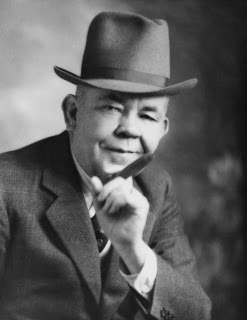
Dickies Workwear is regarded as the worlds number one workwear manufacturer dating back to 1922 fort worth Texas, the Dickies brand started out life as the U.S. Overall Company in 1918 making bib and brace overalls, co-founders C.N. Williamson and E.E. “Colonel” Dickie respectively, started there business careers in the vehicle and harness industry within the small town of Bryan, Texas. Later in 1922 a consortium made up of Don Williamson, his father and cousin purchased one hundred percent of the overalls company at a one third each basis. The company then became known as Williamson-Dickies Manufacturing Company.
During World War II the U.S. Government sought to sequester the company to produce millions of military uniforms much needed to aid the war effort. These efforts did not go unnoticed after the war with many veterans praising the quality and durability of the uniforms, these where the first building blocks that turned the company into a world leader.
After world war two the factories that made military apparel now turned their attention to producing civilian wears such as overalls, work trousers and general work clothing. The reputation of Dickies by this time was nationally renowned, this in-part was owed to the servicemen and women that had returned to there home towns and city’s spreading the word of their war stories and enriching the brand with a certain pride and history that Americans had grown to love and cherish.
Dickies History Through 1950-60
By the latter part of the 1950s the company known as Williamson-Dickies Manufacturing Company became an international company now expanding into Europe and the middle-east. Texan oil workers who where contracted to work in middle eastern oil fields had brought along their Dickies khaki pants knowing that the brand would not let them down. The khaki pants most commonly known as “chinos” had become the company’s most successful to date. Soon popularity skyrocketed around the globe leading the company into new avenues such as the laundry industry. Don Williamson was very much the 20Th century entrepreneur so when Dickies looked into new ways of doing business Don was leading the way.
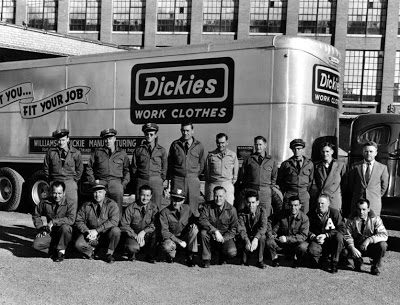
Dickies Workers
New ideas seemed to come quite naturally but not without failures here and there, in the early days the volume of Williamson Dickies laundry business increased so quickly that it was decided a permanent crease on garments such as work trousers would save vast amounts of time and money, to wash then press such clothing was very time consuming. To make this a more profitable and cost effective venture Dickies contacted Harris Laboratories who had pioneered a permanent wave for hair, when Dickies asked if they could do the same for work pants Harris Laboratories where confident they could achieve this.
So began the year long research project, Harris had developed a treatment to add a permanent crease into Dickies work trousers, unfortunately the joy was short lived as the work pants became brittle and weakened after only a few washes. Determined not to be stopped at the first hurdle the company continued amid fears the Dickies image of robust, strong and reliable workwear would be damaged if they could not find a speedy solution. Dickies and Harris set about merging polyester with cotton to give the work trousers strength and durability, finally success and the finished product can still be found around the world today.
After the rather shaky start to the permanent crease Williamson Dickies issued an unconditional guarantee on quality and durability of all the company’s work clothes produced thereafter. This guarantee has become the cornerstone on which all Dickies work clothes are made even today. The 1960s where fast approaching and so was the new look Dickies brand, Don Williamson the entrepreneur had not finished yet and so set about building the company’s international presence. In 1960 Dickies built a manufacturing plant in Belize formerly “British Honduras” but sadly the entire plant was destroyed during hurricane Hattie. Shortly after the plant was rebuilt and expanded to accommodate the demand in England and Europe. The plant made jeans and a variety of work clothes from trousers to general use clothing. The efficiency had grown in the latter part of the 1960s enabling goods to be shipped from Belize into the U.S. cost effectively and increasing profits accordingly
Dickies History Through 1960-1980
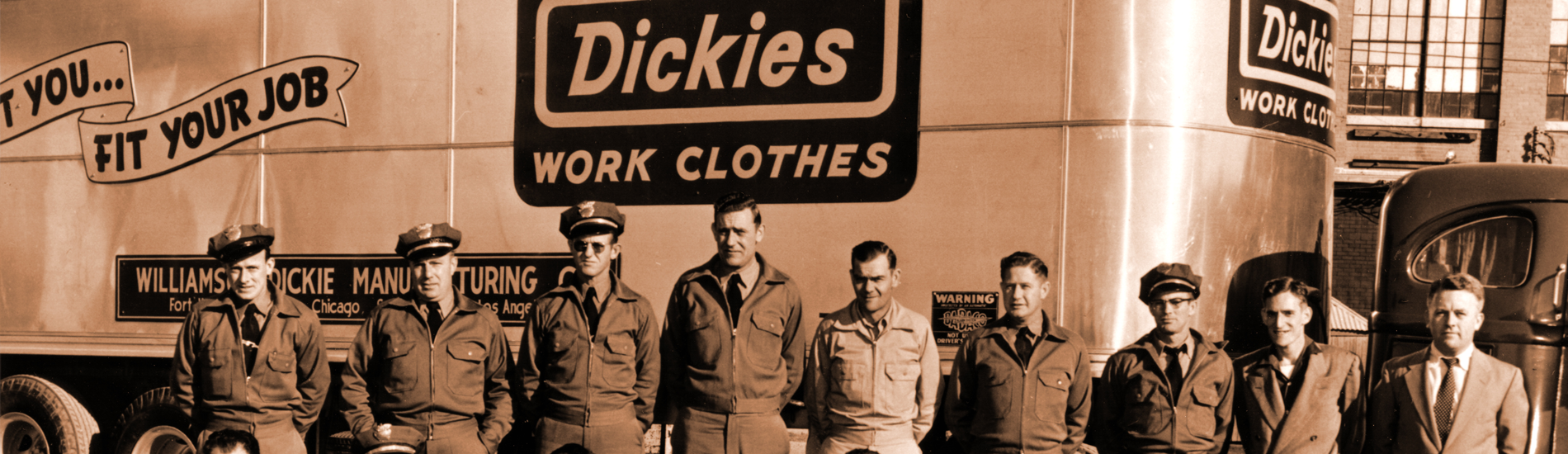
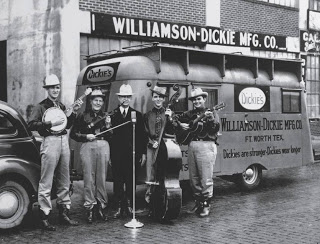
The williamson Dickie Group, posing by their van circa 1960.
During the late 1960s through to 1980s competitors of Dickies had started to import into the United States from the Caribbean. Garments made elsewhere such as the Caribbean could dramatically undercut Dickies prices on many of its popular selling products, by this time the market was very competitive. Senior executives at Williamson Dickies had realised that these competing firms must be using the (American Goods Returned) Tariff Act, to allow them to reduce the duty on import fee’s paid on each garment and thus allowing them to sell there items at a much lower price than Dickies could.
Williamson Dickies and three other American clothing companies stood together to lobby for change to the Tariff Act concerning re-importing goods; the change allowed American apparel companies to manufacture clothes in either Mexico or the Caribbean using the same provisions set out in the previous Tariff Act. They successfully got the change and this then made a huge American clothing industry within Mexico and the Caribbean, in-part due to very low labour costs in these regions. Dickies and other firms where now able to remain competitive against low cost imports from China, Korea and Taiwan.
In the early 1970s Williamson Dickies acquired shares in the General Diaper Corporation, (General Diaper Company was founded in 1932 by Morris A. Bonoff) one of the largest diaper manufacturers at that time. By April 1977 Dickies owned almost 30 percent, later to become 58% in the same year of what would later become ‘Blessings’ the Company although a majority owned by Dickies remained a separate company.
The Diaper Company was moving into the disposable diaper market this was somewhat of a new era within the industry. As part of this new venture the Diaper Company had opened two additional industrial laundry factories located in New Orleans and Houston respectively. With the introduction of Williamson Dickies the firm also acquired a plastics company that primarily made film and plastic products for the health care industry and also a dental supply firm. The ever expanding company gave scope to diversify and move into new markets, this only strengthened the revenue potential of Williamson Dickies and helped increase its share in the workwear and clothing markets.
Williamson Dickies was now in a very strong position moving into the latter part of the 1970s and well placed to dominate the market entirely. The Dickies brand grew from strength to strength during this period gaining more and more popularity amongst the general populous, the company had now expanded its range of products to include garments such as matching uniform shirts, blouses, work trousers and accompanying jackets, boiler suits, overalls, jeans, bandannas, caps, safety boots, thermal underwear, sweatshirts, socks, gloves, painter trousers and belts. In the late 1970s the company began to open shops in and around the southern parts of the U.S, these stores where primarily aimed at corporate businesses and government departments such as the post office and police department. These stores provided uniforms, footwear, holsters and matching accessories including specialist underwear for use with the military and police uniforms.
By this period the co-founders had retired and all family members had left the business, the entire managerial structure at Williamson Dickies had been replaced with the next generation of leaders who where equally as hungry for success and ready to prove there worth and they wasted no time in doing so. One branch of Dickies, the Industrial laundry service was now spread across the south, southwest and west coast with 14 separate facilities, the company soon became the leader of hiring & laundering uniforms, so much so that practically everyone knew someone who was using the service. Dickies ability to cater for all was a major contributing factor as to the success of the service with practically all industries from fast-food, catering, policing, fire services, lab workers and a host of others using Dickies workwear for all there hired uniforms.
The Dickies Biker Look
As the 80s approached Williamson Dickies now with a stronghold in both the workwear and laundry industries was looking at new ways to reinvent itself, this was always something of a Dickies trade mark, this ability to carry on and progress tirelessly until the desired achievement was reached. Part of this reinvention was during the 80s when the General Diaper Company was transformed into the new “Blessings Corporation” still using many of the manufacturing facilities that once made diapers but now producing plastic products for the health care, dental and agricultural industries. To accompany the niche within the health care industry the company added a publishing division to run alongside the Blessing Corporation.
The publishing division was aimed mainly at new mothers providing informational materials such as books and pamphlets, the publishing company known as Baby Talk (thought to be the first publication of its type in the United States) was later down sized from two dozen to only 3 staff. The Geri-Care Division which made health care products for the elderly such as incontinent pads, bibs, linen, aprons, bedspreads and sharps to name only a small selection. Geri-Care still exists today with big name clients such as Kimberly-Clark accounting for over 45% of its business in 1996.
Dickies History Through 1980-2000
The Blessings firm later moved its headquarters from New York City to New Jersey in 1978. In 1987 The publishing division was sold to Parenting Unlimited, an investment group, in 1988 and 1989 Blessings had turned down a take over bid from Dickies, shortly after in 1994 Blessings later sold of its Geri-Care division for virtually nothing in exchange for tax relief after seeing profits for the division fall year on year.
Throughout the 1980s Dickies Industrial Laundry business was a thriving entity in itself and profits soared accordingly, Williamson Dickies reported a staggering 15% annual growth rate almost every year. The company’s manufacturing facilities dotted mainly around the southern states were also now starting to show tremendous growth in New Jersey, California and further afield in the Caribbean.
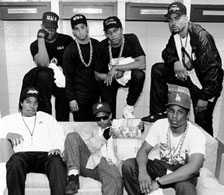
With the beginning of the 1990s came a massive shift in culture, music and of course fashion, as with any cultural shift so comes more competition, more so than ever in the 90s. Many work wear and apparel companies where international at this time and cheaper imports from China, Taiwan and other nations where making the clothing industry fearlessly competitive, some smaller companies simply could not keep up and many went under. Dickies however seemed to find a new demand from the least expected place the ‘Hip-Hop’ & ‘Rap’ Scene, some well known stars at the time had encompassed the Dickies workwear brand turning regular chino pants into hip-hop fashion and cultural gang dress, one of the earliest known hip-hop groups to use Dickies chino trousers was N.W.A an American hip hop group from Compton, California. Many youngsters soon developed a love for Hip-hop fashion and indeed the music giving Dickies a much needed boost against long time rivals such as Lee, Wrangler and Levi’s, Dickies were cool.
Hip Hop Group N.W.A in Dickies
Dickies workwear had often lost out on a market share of the denim and urban fashion sector but now had a strong following and were ready to capitalise on it. As always with Dickies, marketing and advertising where tools they knew well. Dickies were quick to launch a new advertising campaign starting with Parade and People magazine, radio and the national press. While Dickies saw the opportunity to leap from workwear to street wear as a great transition they were also stead fast in protecting their hard fought battle to maintain the number one spot within the workwear clothing industry. Some changes were made to the facilities to accommodate the new product lines and Dickies then set about opening its first factory store based in Orlando, Florida, in the mid 90s.
The first store was to be a flagship for Dickies workwear but not just featuring its famous workwear but also its new lines of street, urban and sportswear as well. As part of the new marketing push Dickies also approached various DIY and hardware stores to stock its coveralls, painters work trousers and accessories. Not content with the cheaper imports still eating away at its market share of the workwear sector Dickies decided to move into the Asian market and bring the battle for domination to its cheaper counterparts. The Asian market accounts for 60% of the world’s current human population; during the 20th century Asia’s population nearly quadrupled making this region vastly important for any international business.
Dickies alone could not just move into the highly competitive Asian market and expect success; they needed a competent distributor not just to spread the word but to give meaning to the brand throughout the continent, they approached Japanese firm Itochu to fulfil this role. Itochu where contracted to distribute to Japanese customers being as Japan was one of the more affluent of the Asian nations this was the best place to establish a presence on the Continent. Itochu an already successful company marketed the Dickies brand brilliantly and to much success.
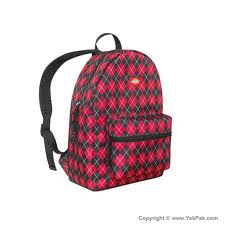
Dickies Itocho School Bag
The popularity of Dickies by the late 90s was immense the brand was now not just about workwear they now had real pull in the fashion world also. Many of Dickies products were featured in glossy magazines showcasing this authentic brand in all its glory. Dickies clothing was also sold in expensive fashion shops alongside the likes or Armani and Levi’s. Hip-hop & rap artists along with movie stars and fashion models where all wearing the brand, all of a sudden Dickies was an iconic brand almost overnight. With the increase in popularity so did sales increase on an average of 10% per annum, this trend continued throughout the 90s with profits up year on year. Although Dickies were pleased with the success of their brand they kept operations pretty much as they had been and continued to make the great quality workwear clothing they had always been known for.
Although Williamson Dickies had kept the manufacturing process and facilities pretty much unchanged they where keen to exploit this new iconic image and expand on the range of products they had. Dickies primarily an apparel maker did not want the expense of building new facilities to produce varying products, instead they looked again at there licensing possibilities, Dickies had used a small number of manufacturers under license in the past to make some types of footwear, socks and smaller articles of clothing that carried the Dickies brand, now they were looking at completely new products.
The History of Dickies Workwear
The story of how two cousins from Texas created Dickies Workwear
Deals where made which allowed companies such as watchmaker M.Z Berger to produce Dickies branded watches; Amerex to make outdoor wear such as jackets and coats; sports wear manufacturer; Hampton to produce sports shirts, shorts and finally; Yak Pak to produce work bags and backpacks. Williamson Dickies were careful who to select to make these goods as they wanted most of all to maintain the quality and craftsmanship people had come to expect from them, other deals were done to make varying products which carried their brand name, but nearly all of their work clothing was still made in the same factories it had always been made in.
Wanting to focus more on its traditions and core business, the company sold off its majority share of Blessings Corporation in 1998 and invested the money back into the main business of work clothing. In 1999 California-based; Workrite Uniform Co. were acquired. Workrite are specialists in flame-retardant workwear where considered the No1 safety clothing manufacturer to many industries such as oil, gas and hazardous chemicals, this was a perfect match for Dickies, as they maintained Workrite as a separate branch of the business, continuing to make safety wears such as flame-retardant overalls, trousers and gloves.
As of 2007 Forbes reported that the company has an estimated revenue of $1.15 billion; 4,160 members of staff and are currently ranked number 402 in America’s largest private companies. Visit our website to see our full range of Dickies Workwear.