
Tag: ppe

  • Fall Arrest Safety Harnesses, Lanyards & Equipment

    Fall Arrest Safety Harnesses, Lanyards & Equipment

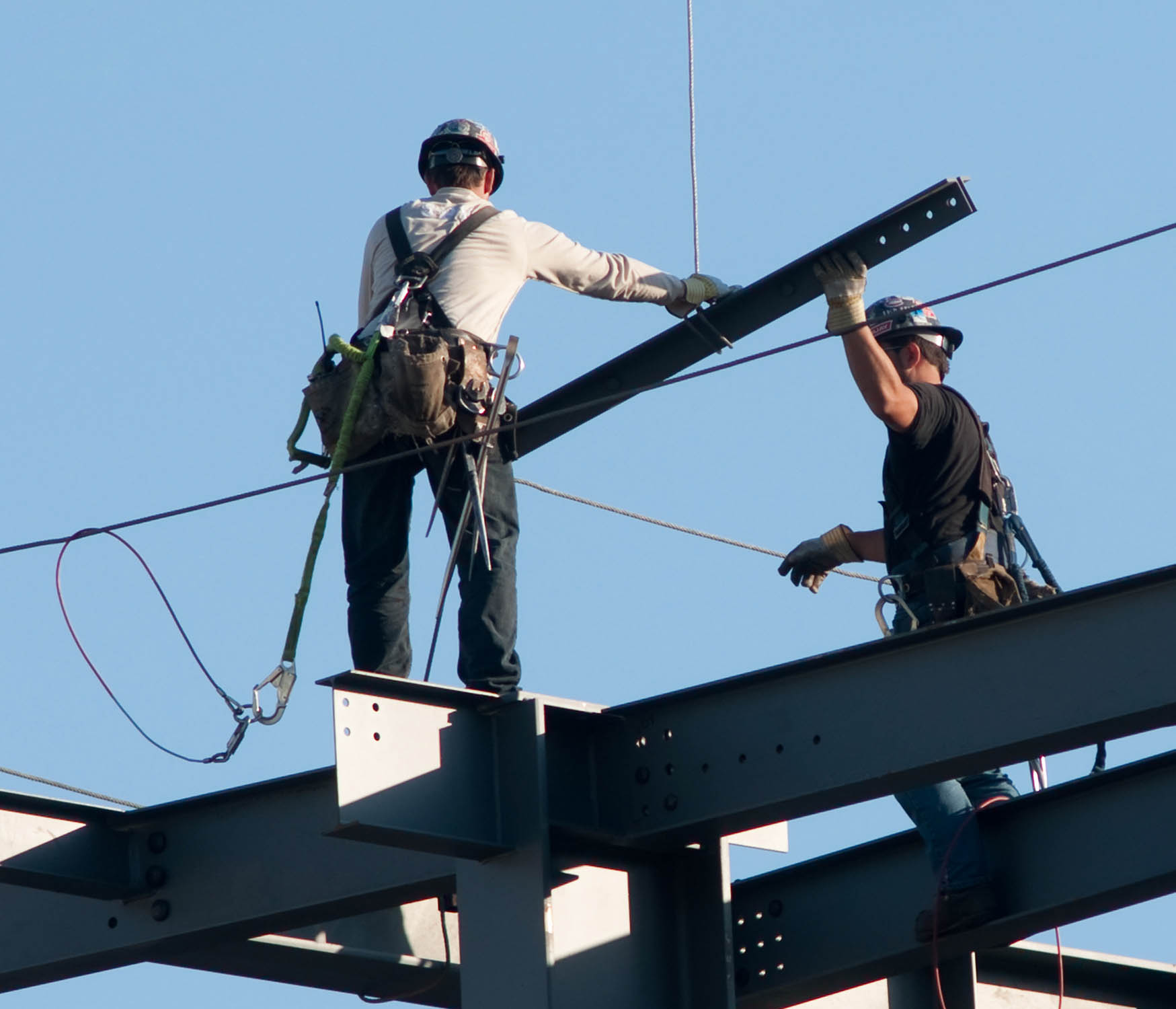
    Our range of Technical Safety Fall Arrest Safety Equipment has been designed to protect workers from falls and other hazards when working at heights. Stringent quality processes are adhered to throughout the ISO9001:2015 manufacturing process to ensure that only quality componentry is utilised in the production of these life critical products. The high tenacity polyester yarns are highly resistant to UV, and have been subjected to colour stability and wash abrasion testing.

    There is a wide range of possible damage to fall arrest equipment caused by misuse and abuse, general wear and tear, edge/surface damage, ultraviolet light, dirt, grit, chemicals and heat. Fall arrest equipment that has been used to arrest a fall should never be reused. It should be withdrawn from service immediately and destroyed or returned to the manufacturer.
    The Personal Protective Equipment at Work Regulations 1992 require employers to maintain fall arrest equipment which is exposed to conditions causing deterioration should be inspected ‘at least twelve monthly’ although more frequent inspections is highly recommended.

    You can view the HSE guide on inspecting webbing and rope fall arrest equipment by CLICKING HERE
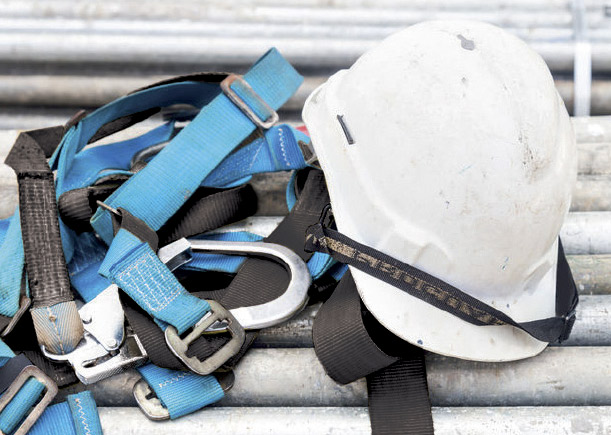
    Equipment should be checked before use and regular inspections should be fully documented. Even minor safety harness defects can cause  a significant reduction to the performance of fall arrest gear, for example a one millimetre deep nick or cut in the edge of a webbing lanyard can result in between 5 to 39 per cent loss of strength. Ingress of dirt and UV can also cause damage to the fibres of the webbing, resulting in a similar loss of strength.

    What Damage/Degradation Should I Look For?
    Defects that can weaken Lanyards include.
    Abrasion along the lanyard’s edges.
    Abrasion to webbing and loops.
    Cuts and nicks in ropes and stitching.
    Knot in lanyards that are not part of the original product’s design.

    Chemical Degradation
    Observed by a change in colour which usually appears as a brownish smear or smudge. Transverse cracks appear when belt is bent over tight. This causes a loss of elasticity in the belt. Paint will penetrate and dry, restricting movements of fibres. Drying agents and solvents in some paints will appear as chemical damage.

    UV Degradation
    Do not store webbing and rope lanyards in direct sunlight, because ultraviolet rays can reduce the strength of some material.

    Damage from Friction and Heat
    Nylon becomes brittle and may appear shrivelled and brown. Fibres will break when flexed and should not be used above 82 degrees Celsius. Webbing and rope strands may be fused together by molten metal or flame. Watch for hard, shiny spots or a hard and brittle feel. Webbing will not support combustion, but nylon will.

    How Should my Fall Protection Equipment be Stored?
    You can prolong the life of your safety equipment by maintaining and storing all components correctly. All safety components should be stored away from direct sunlight, in a secure area which is also free from corrosive materials.

    Should I Clean my Fall Protection Equipment?
    Cleaning your fall protection equipment will also prolong its life, so it is always important to remove all dirt and contamination.

    Nylon and Polyester
    Wipe off all surface dirt with a sponge dampened in plain water. Squeeze the sponge dry. Dip the sponge in a mild solution of water and commercial soap or detergent. Work up a thick lather with a vigorous back and forth motion. Then wipe the belt dry with a clean cloth. Hang freely to dry but away from excessive heat.

    Drying
    Harness, belts and other equipment should be dried thoroughly without exposure to heat, steam or long periods of sunlight.

    Click our logo below to view the full range of Technical Safety EN Spec Safety Lanyards & Fall Arrest Equipment.

    Mammoth-Logo

  • Hard Hat Colour Coding: What you need to know

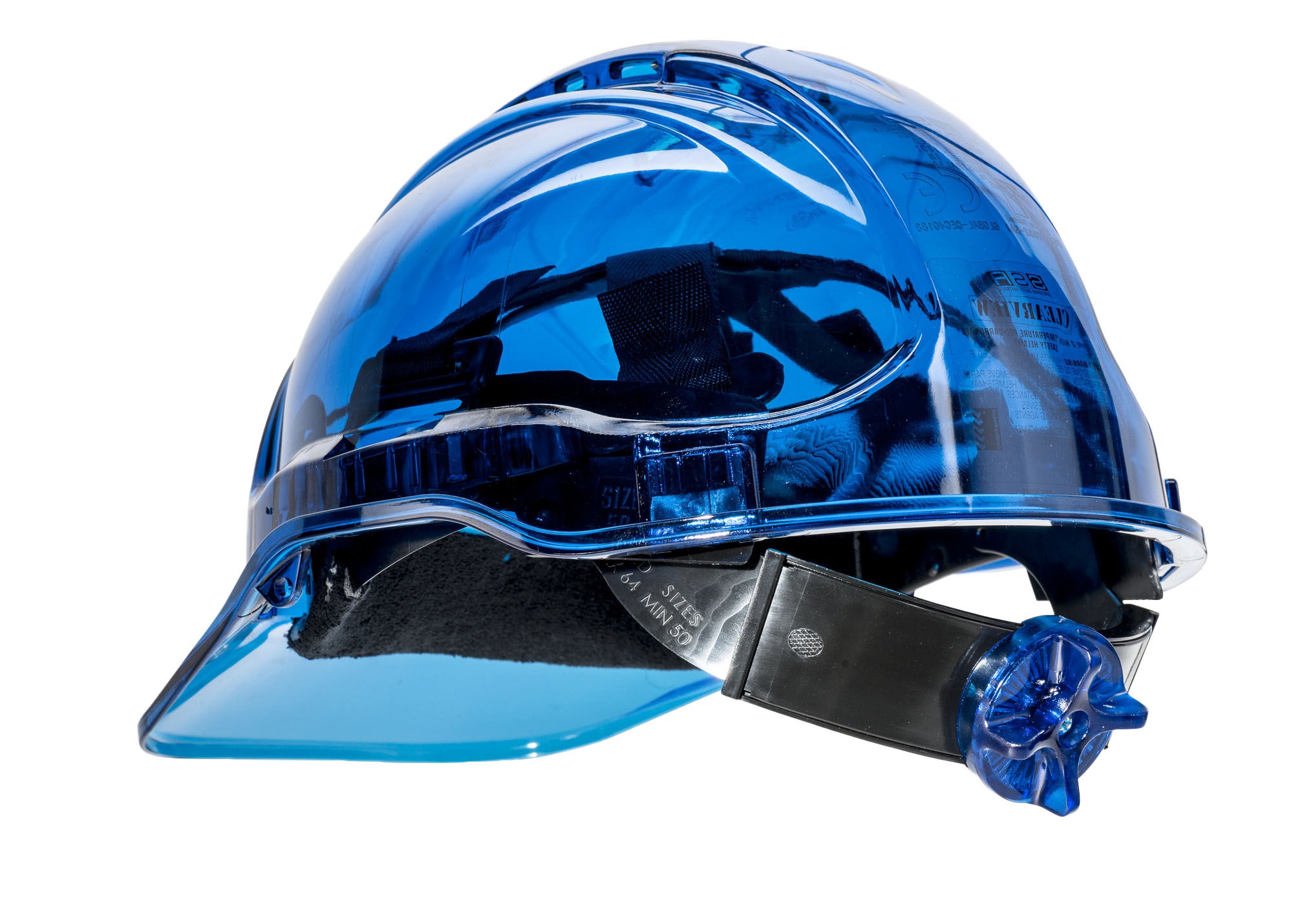
    Hard Hat Colour Coding: What you need to know

    The construction organisation Build UK are responsible for bringing workers from across the building industry together. Focusing on key issues which the industry faces, they represent over 40% of the UK’s construction trade. They also work alongside Trade Associations, Contractors and clients to deliver economically viable construction projects all over the country.

    They revamped the colour coding system for hard hats, to help improve onsite communication and to easily identify visitors and supervisors.

    Highways England have adopted this new scheme, as part of its ‘Raising the bar’ health and safety initiative which identifies the best practices, and raises standards, improving supply chain engagement.

    New hard hat colour coding system

    The new system is as follows:

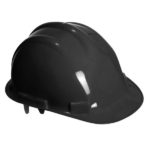
    Black – Supervisors

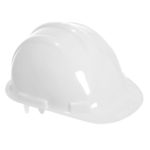
    White – Site manager/competent operative/vehicle marshall

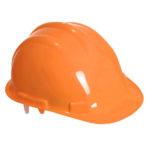
    Orange – Slinger/Signaller

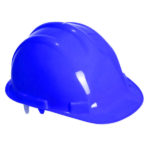
    Blue – Miscellaneous staff/site visitors


    In addition to these new colour coding regulations, hard hat stickers will be given to both fire marshalls and first aiders. As with previous standards, all helmets deployed on work sites must conform to BS EN 397. The new standard and colour coding system will not be employed by Network Rail, as their PPE standards only permit the use of white and blue hats.

    For more information on Build UK, visit their website.

    Need hard hats? Then visit our online store.

  • RPE – Respiratory protection

    RPE – Respiratory protection

    A typical dustmask in use.

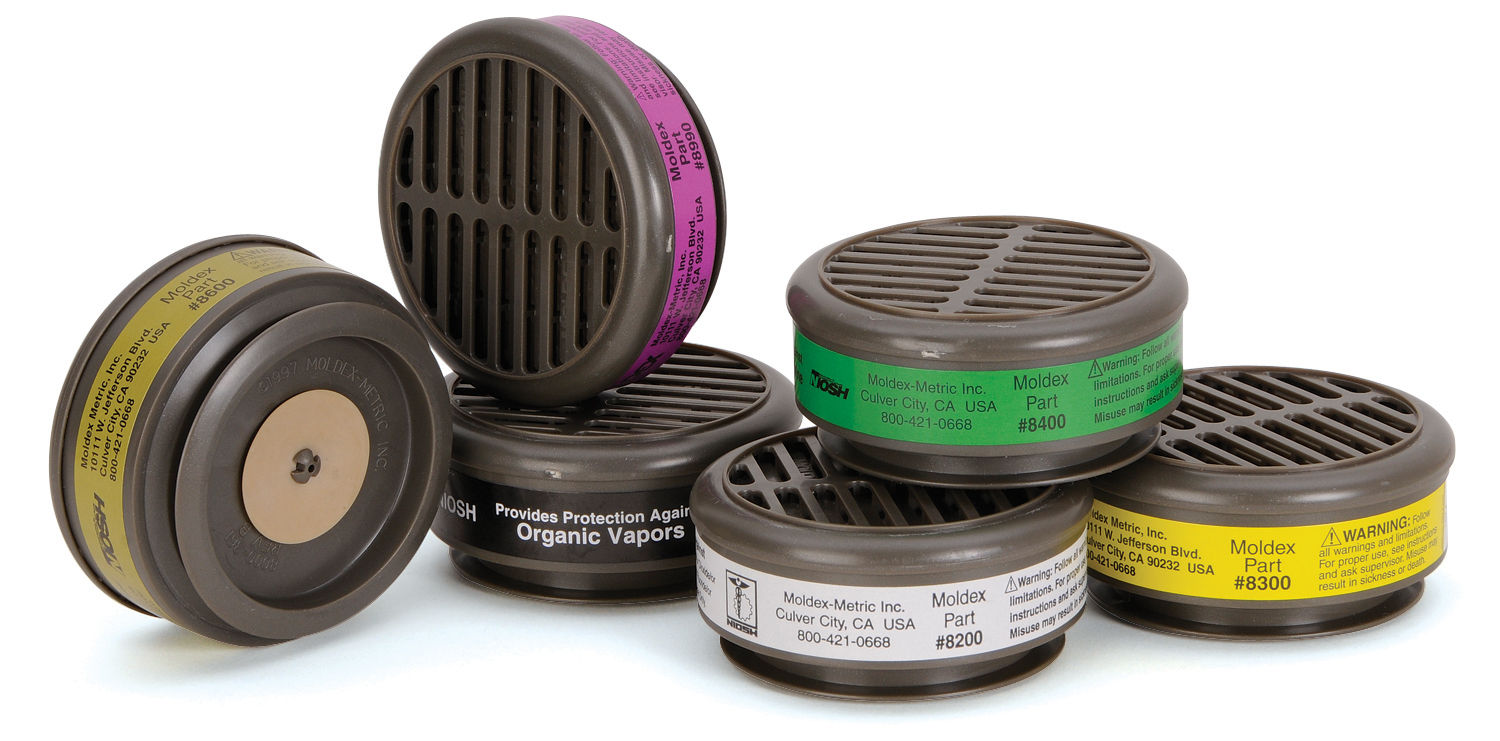
    If you work in certain environments or perform certain activities,  workers can become exposed to harmful particles that are present the air; such as dust, mist, vapour, gas or even fumes. To overcome this, ensure you outfit yourself with the correct RPE.

    So what is RPE?

    RPE is the general term that describes all dust masks and respirators. It stands for “Respiratory Protective Equipment”.
    There are several different types of RPE available:

    Dust masks – Dust masks come in three basic levels of protection, FFP1, FFP2, FFP3 with valved and un-valved styles. They are ideal for a number of roles, with the lower levels of protection ideal for particulates such as wood and cement dust. For more hazardous particles such as asbestos, a level 3 dust mask would be advised. Dust masks are a “single shift” product, that means they have a life of around 8 hours, potentially less. The different levels will reduce the amount of particles breathed in by factors of 4, 10 and 20 respectively. Dust masks, as the name suggests – are only really suitable for “hard” particles, vapour and gasses will seep through and cause irritation.

    Protection Level OEL Protection APF Protection
     FFP1  4x  4x
     FFP2  12x  10x
     FFP3  50x  20x
    OEL = Occupational Exposure Limit |  APF = Assigned Protection Factor

    Half and full face respirator masks – Unlike dust masks, respirators are intended for extended use. When maintained correctly, they will offer many years of effective usage. This type of RPE is far more adaptable than the dust masks, as they come in single or double filter styles. They attach with a bayonet connection, and there are a number of different filters which can be attached to provide protection against a wide range of hazards.

    Below is a simple guide to the types of protection common filters give . They are universally colour coded for ease of use.


    Colour Code Hazard Filter Type
     Brown  Organic Vapour  A
     Grey  Inorganic Vapour  B
     Yellow  Acid Gases  E
     Green  Ammonia  K
     White  Particulate  P


    See our excellent range of Respirators and accessories online in our store now.

  • Jacket Size and Protection Guide

    Jacket Size and Protection Guide

    When purchasing a new work jacket, there are several different factors to consider. Our simple how to guide on selecting the right work jacket for the right job should help you to make the correct decision.

    Sizing And Fitting

    When picking a new work jacket, ensure you have the right fit. Each manufacturers’ sizing guides vary, so always make a note of your measurements. Even if you regularly wear a medium, that doesn’t mean every medium will fit.

    [ap_column_wrap]
    [ap_column span=”2″]

    In order to get the perfect size for you, measure horizontally across the widest part of your chest; as illustrated by the image on the right. When doing this, ensure that you keep the tape measure totally straight across your back.

    Doing this not only gives you a great fit, but will ensure that you don’t have a jacket which is either restrictive to your movement, or too loose that it could get caught on machinery.

    [/ap_column]
    [ap_column span=”2″][/ap_column]
    [/ap_column_wrap]

    If you’re still unsure about your ideal size, view our sizing guide blog post.

    Safety Specifications

    Although most jackets provide basic protection, you’ll find there are more in depth products designed to protect against not only the elements, but also against occupational hazards.

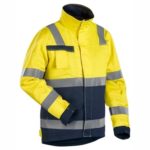
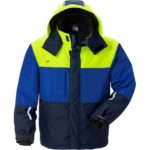
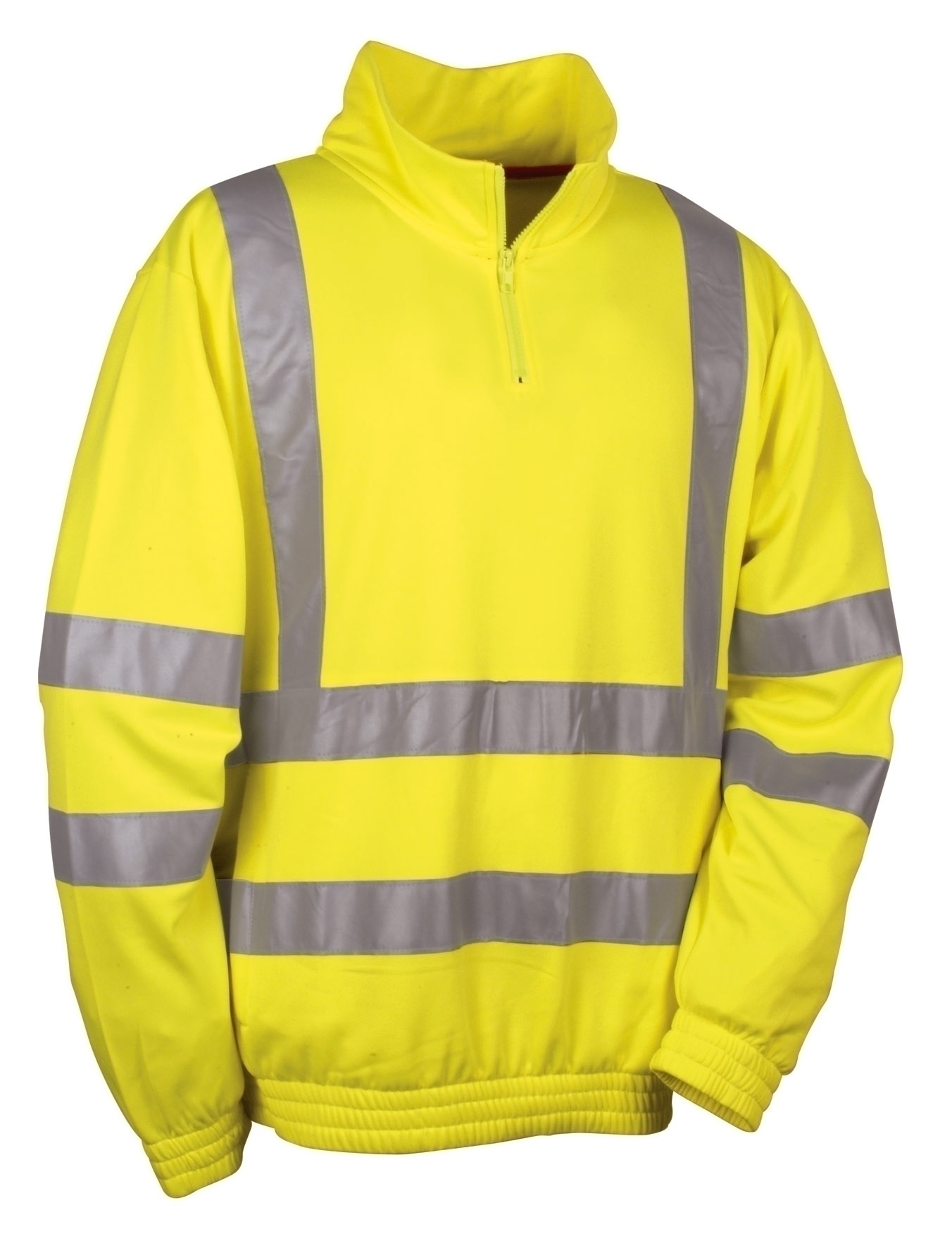
    For example – if you work on a building site, roadside or at the side of tracks then ideally products which conform to EN ISO 20471, the standard for work clothing for low light conditions. Welders and engineers would greatly benefit from EN ISO 11611  jackets, designed to protect them against molten splash, arc flash and radiant heat amongst other hazards.

    For more information on EN ISO specifications, you can find out more at our EN SPEC page.

    Assess your environment and weather conditions

    Picking a work jacket on function alone isn’t enough to offer complete protection, especially when it comes down to the unpredictability of the elements. So it is always worth taking a look at the kind of environment you will be working in.

    Looking at things such as the fabric weight of a product, the lining and the presence of padding are a good initial indicator as to what kind of environment each jacket will be perfect for.

    It’s also worth looking at the particular fabric of a jacket, as products which are waterproof for example, can come in lightweight styles, although thermally they can be ineffective – so even though they’re lightweight in appearance you may end up sweating in them.

    Selecting the right jacket for the right environment

    So how do you know what sort of jacket is perfect for your job role? As previously mentioned there are many factors to this. Below you will find the best types of jacket for each season.

    Spring

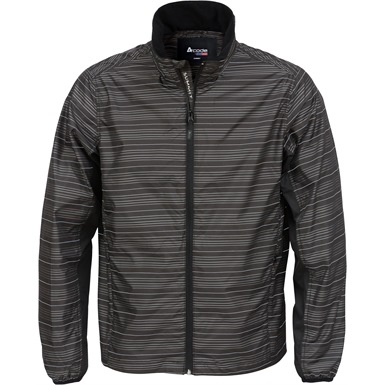
    We’ve not quite hit summer yet, and on the tail end of the winter you might find the weather swings from one extreme to the next. Something to wear which will offer you warmth and protection from the wind, but keep you cool when conditions are optimal is the preferred choice.

    Our picks:


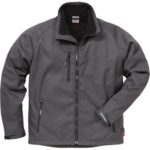
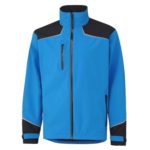
    Cofra
    Sweden
    Softshell

    Cofra
    Malaga
    Hi-Vis Softshell

    Fristads
    4500 SSM
    Softshell

    Helly Hansen
    Chelsea
    Softshell


    *Click the images to view the products

    Summer

    For the warmer months, a jacket may not even be necessary in the daytime, but later in the afternoons and the evenings you may want something which offers some limited protection from the weather – lightweight and breathable.

    Our picks:

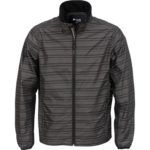
    Fristads
    A CODE
    Reflective Jacket
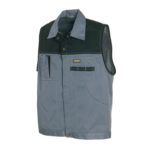
    Blaklader
    3160
    Waistcoat
    Dassy
    Avila
    Summer Body Warmer
    Castle
    Wroxham
    Bodywarmer


    *Click the images to view the products

    Autumn

    Autumn can be a wet, dreary time of the year, so the focus here should be on buying something which gives you adequate cover against rain.

    Our picks:

    Regatta
    Repeller
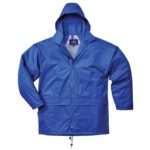
    Softshell Jacket
    Snickers
    Softshell
    Hooded Jacket
    Portwest
    Classic
    Rain Jacket
    Snickers
    Xtr
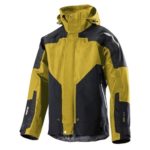
    Gore-Tex Jacket


    *Click the images to view the products

    Winter

    Winter styles lend themselves to keeping you warm when the temperature plummets, whether this is outdoors braving the elements themselves or inside braving the cold store – you’re going to want a jacket which offers excellent thermal properties.

    Our picks:

    Snickers
    Quilted
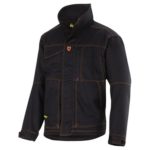
    FR Jacket
    Portwest
    Aviemore
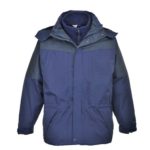
    3in-1 Jacket
    Blaklader
    Multinorm
    Winter Jacket
    Fristads
    4916 GTT Airtech
    Winter Jacket


    *Click the images to view the products

    These are just a few of our personal favourites, for more excellent styles for all year round, visit our online store.

  • EN ISO 20345 Safety Footwear Buying Guide

    EN ISO 20345 Safety Footwear Buying Guide

    Choosing the right pair of EN ISO 20345 safety boots or shoes can be a challenge for the first time buyer, especially with so much choice on the market – here at Mammoth we have a selection of over 400 pairs of safety footwear available!

    When selecting your footwear, there are a number of factors to take into consideration. It is never wise to gamble on the level of protection you need, or what additional benefits will work – The wrong choice could prove to be a disaster; and a pair of boots is far easier to replace than a foot!

    So with that in mind, we have put a number of practical tips together in the form of a comprehensive guide, to help you make an informed decision.

    Safety Specifications and symbols

    When looking at boots you will often see a number of cryptic abbreviations and symbols, but what do they all mean? All safety footwear is governed by an EN ISO 20345 rating, which is often broken into several classes to indicate the level of protection they provide. These will often come with a series of other characters, all of which actually tell you what benefits the particular safety footwear has.

    [ap_column_wrap]

    [ap_column span=”2″]

    SYMBOLS

    HRO – Contact heat resistant up to 300c.

    WRU – Water resistant uppers.

    HI – insulated protection from heat.

    CI – insulated protection from cold.

    E – energy absorbing heels.

    A – Antistatic protection.

    P – Penetration protection.

    CR – Cut resistant uppers.

    M – Metatarsal protection

    [/ap_column]
    [ap_column span=”2″]

    SAFETY RATINGS

    SB – Basic protection with toecap.

    S1 – SB + Closed heel area, energy absorbing seat, anti-static properties, resistance to fuel and oil.

    S1P – S1 + Penetration resistance.

    S2 – S1 + Water penetration and absorption.

    S3 – S2 + Penetration resistance, cleated outsoles.

    S4 – S1 + Moulded polymer/rubber uppers (wellingtons etc)

    S5 – S4 + Midsole penetration resistance.

    [/ap_column]
    [ap_column span=”2″]
    SLIP RESISTANCE

    SRA – Tested on ceramic tiles, saturated with a diluted soap solution.

    SRB – Tested on steel, covered in glycerol.

    SRC – Tested under SRA and SRB conditions.

    [/ap_column]
    [/ap_column_wrap]

    This is just a snapshot of some of the benefits that EN ISO 20345 footwear can provide, always check the symbols on each product to make sure it provides the correct safety benefits for you.

    Size and Fitment

    Making sure you’ve got the correct sizing is important for a comfortable fit, and the same applies more so with safety footwear, as an ill-fitted pair of boots or shoes could do more damage than good. If your chosen footwear is too small, your toes will be raised into an un-natural position, which in terms of a drop or crush hazard could still end up damaging your toes, negating the point of having toecaps in the first place.

    On the other hand (or foot), if boots and shoes are too large then you may find that your toes won’t be totally covered by the toecaps, in addition to a poor fit around the ankles which could lead to injury. Some manufacturers, especially those in Europe; tend to use a different size guide for their footwear from the US and the UK.

    European and US approximate sizing guide
    (UK) – (EU) – (US)
    (3) – (36) – (4)
    (4) – (37) – (5)
    (5) – (38) – (6)
    (6) – (40) – (7)
    (7) – (41) – (8)
    (8) – (42) – (9)
    (9) – (43) – (10)
    (10) – (44) – (11)
    (11) – (45) – (12)
    (12) – (46) – (13)
    (13) – (47) – (14)
    (14) – (48) – (15)

    Safety Hardware – Steel, Aluminium or Composite?

    While browsing for new EN ISO 20345 footwear, you will often here the terms “Composite” or “non-metallic”. The term composite usually refers to the safety hardware inside the boots, being made from an alternative other than steel – usually a material such as Kevlar. All toecaps regardless of what they’re made of are put through the same rigours during the testing process, conforming them all to EN 12568 standard. All of them will provide the same 200kj impact protection, however there are subtle differences between the three:

    Steel Toecaps – Heaviest of the three, also due to the conductive nature of the steel, toes can become hot/cold depending on the environment around them.

    Aluminium – Lighter than steel by nearly five times, although much like steel they will conduct heat and electricity.

    Composite – Lighter still than Aluminium, non-conductive material so thermal bio-climate inside the footwear remains the same, won’t set off equipment such as metal detectors and scanners – ideal for security roles and airport workers.


  • EN 471 and EN ISO 20471 – Know the Differences

    EN 471 and EN ISO 20471 – Know the Differences

    En 471 and En ISO 20471 differences explained

    Workwear can often be confusing, with many different standards and levels of protection – how do you know which one is right for you? Your safety is important, so keeping protected is something which should be taken as a priority above all else. One of the most commonly purchased types of product is High Visibility Clothing. There are several classes to high vis work clothing, from non-professional use, to specialist track and roadside classifications all with different levels of effectiveness. On  28th June 2013, a new standard was introduced – ENISO 20471:2013. This updated version of the EN471 standard offers quite a few differences – so let us run down some of them for you.

    Sleeves

    Under the EN471 standard, sleeves were allowed to be non fluorescent, this is true for many styles which have zip-off sleeve features. Under the revised EN ISO 20471 standard, all sleeves must be finished in a fluorescent fabric, with two bands of reflective tape.

    Body coverage, meeting class 3

    Under EN ISO 20471, Class 3 high visibility clothing must cover the body, and have full length sleeves and/or trouser legs complete with reflective striping detail. Under the old standard, bib and brace overalls could meet the class 3 standard. Under the updated EN ISO 20471 standard this is no longer the case due to their lack of sleeves.

    Class 2 Bib and brace

    On a bib and brace garment, the reflective tape around the waistline no longer contributes to the calculations which grant a product class 2 status for high visibility work clothing. To combat this, the reflective tape around the legs is widened from 50mm to 60mm in order for a Bib and brace to keep its class 2 standard.

    Retroreflective material requirements

    EN 471 Level 1 separate performance material requirements have been removed.

    The minimum performance requirements for separate performance material is essentially the same as the former EN 471 requirement for level 2 reflective materials. In the assessment of the retroreflective performance of materials, the method requires the tape to be tested on the poorest performing segment.

    The retroreflective tape is tested once it has been subjected to the stated maximum number of washing and drying cycles, as stated by the manufacturer. This differs from the final dry on EN 471 testing. Now the manufacturers can specify the washing process and temperature for testing – but this information must be reflected on the label of the product.

    Marking

    Initially under the EN 471 standard, garments were marked with a value of X and Y where X would be risk assessment and Y would be the quality of the reflective tape. This has been done away with on the newer EN ISO 20471 products, instead showing a single number on the pictogram, which details the level of protection only.

    Labels must also have an indication of the products maximum number of cleaning cycles before the safety features are impacted, but only in the event that this information is disclosed in the product information itself. This maximum number relates specifically to the high visibility material under the lowest level of cleaning performance as per the testing carried out on fluorescent and reflective materials.

    The EN 471 standards are updated every 5 years if needed, with the first standard being written in 1994.

  • Nine Piece PPE Kits now available!

    Nine Piece PPE Kits now available!

    ppe-kit-with-hi-vis
    CLICK IMAGE TO PURCHASE

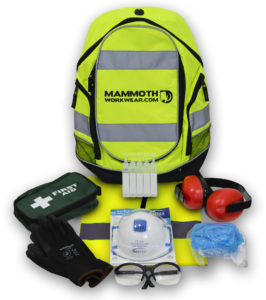
    Keeping you and your workforce safe is something which you should take seriously, and without the correct equipment at hand – when an accident does happen, you may not be prepared to deal with it. We always think about the safety of our workforce, and all our customers. We’ve just launched an excellent new nine piece PPE Kit which is bundled inside a high visibility rucksack – packed with the essential protection and injury care equipment you need when on site.

    So whats in the bag?

    Shugon High Visibility Rucksack

    Designed to stow away your valuables, and offer you a heightened visual presence – this compact yet spacious work bag is finished in either orange or yellow fluorescent colours with reflective striping details, and will house all your essentials whilst you’re on the move. The bag features adjustable shoulder straps and a comfy handle at the top for great portability. The main compartment offers plenty of room, but can easily be expanded on if need be with the handy exterior panel zip, which spreads the back out for even more room. There are two additional zipped compartments for housing smaller items, in addition to a handy interior pouch, which will accommodate a media player or mobile phone, with an audio port in the roof of the bag allowing you to listen to your favourite music on the move, whilst keeping your precious electronics safe.

    The bag comes unbranded, but on request can be adorned with your own company logo.

    ProForce PPE Safety Glasses

    Your eyes are pretty important. So making sure they stay protected from hazards is a given. This great pair of Safety Glasses from ProForce are made with a lightweight frame, with adjustable arms to ensure a secure and comfortable fit. The lenses are crafted from a durable polycarbonate, with scratch resistant coating. They conform to EN116-1F for PPE personal eye protection standards.

    ProForce EP01 Ear Defenders

    The sound of machinery and ambient site noise can be distracting, and actually rather dangerous for your ears if you are exposed to prolonged high levels of noise. Keep your ears protected from damage with this pair of ProForce EP01 Ear Defenders. CE Approved to EN352-1, their lightweight and robust design is perfect for the active site or roadside worker. The contoured headband hold them in place, with the large domed cuffs effectively drowning out sounds, with soft, foam filled cups for maximum comfort.

    Portwest P209 FFP2 Valved Mask (Triple Pack)

    Suitable for protection against fumes and water based mists, in addition to fine toxic dust and contaminants up to 10 times the WEL, the Portwest P209 FFP2 Valved Blister Pack is a triple pack of handy dust masks. Their comfort cup shape creates a comfortable seal around the face, with an exhalation valve and adjustable nose clip. Elasticated straps secure the masks in place, and they are fully CE certified and adhere to EN 149:2001 plus A1:2009.

    Warrior Nylon Coated Hyflex Gloves

    These Hurricane Nylon Coated Hyflex Gloves are an ideal glove for fine handling of material and assembly, used for general light duty precision applications such as electrical, plumbing, inspection and assembly. Providing dexterity and comfort, these Warrior Hyflex Gloves are perfect for precise operations that require maximum levels of dexterity. They have a breathable and seamless liner, which is like a second skin. The polyurethane coating offers excellent hand protection in lightweight applications. With an EN388 level 4 abrasion resistance score, the glove provides superb performance, and in trials this product has received positive feedback from wearers; who prefer this glove to other styles of traditional gloves.

    Steroplast Vehicle First Aid Kit

    This is the lifesaver of your PPE Kit. This portable HSE compliant and NHS approved product comes in a portable zip bag, and can be kept either in the rucksack or stored in a vehicle close by. Inside the kit you will find the following:

    • 1 x Pair of Scissors
    • 1 x Med Sterile Dressing
    • 1 x Eye-pad Sterile Dressing
    • 1 x Non-woven Triangular Bandage
    • 2 x Pairs Med Gloves
    • 1 x Bag of Safety Pins
    • 4 x Alcohol Free Wipes
    • 20 x assorted hypo-alergenic plasters
    • 1 x HSE first aid guide

    Steroplast Eye Wash Pods

    The eyes are susceptible to a number of work related hazards and injuries, and sometimes even a pair of glasses or goggles can let contaminants through to the surface of the eye. In the event of this, its imperative to flush out any foreign bodies before they cause any more damage. These eye was pods are a sterile topical solution, containing sodium chloride in purified water. The slim neck design makes them easy to apply, with greater accuracy.

    Disposable Overshoes (100 pack)

    When visiting some sites, it may be mandatory to have your feet covered with overshoes – stretched over footwear, they will keep surfaces from becoming contaminated from dirty shoes. This is especially important in places where hygiene is important – so any food processing factory would likely have site visitors wear something similar to this to protect their floors from foreign contaminants.

    Class 2 Hi Vis Vest

    Possibly one of the most essential pieces in any workers arsenal. A simple high vis vest, which conforms to en471 class 2. Lightweight and velcro fastened, this vest will ensure that you’re seen in low light and poor visibility.

    The Nine Piece PPE Kit is priced at £36.58 inc VAT  Buy Here

    check out our work wear products by clicking on our logo below

    cropped-Mammoth-Logo.png

    You can also visit our sister site by clicking the logo below

    MAMMOTH CLEANING SUPPLIES LOGO