Author: Media

  • Base Layer

    Base Layer

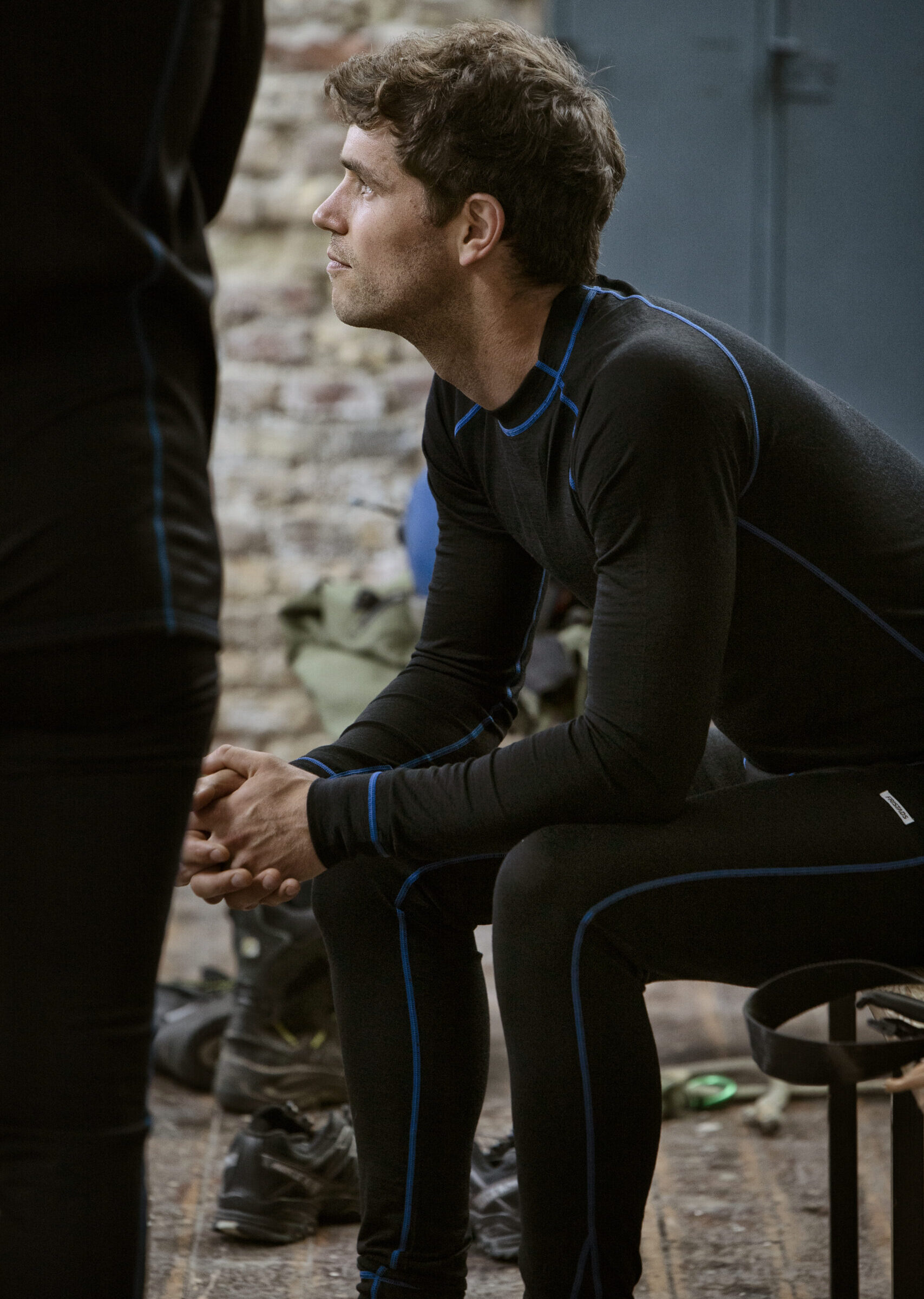
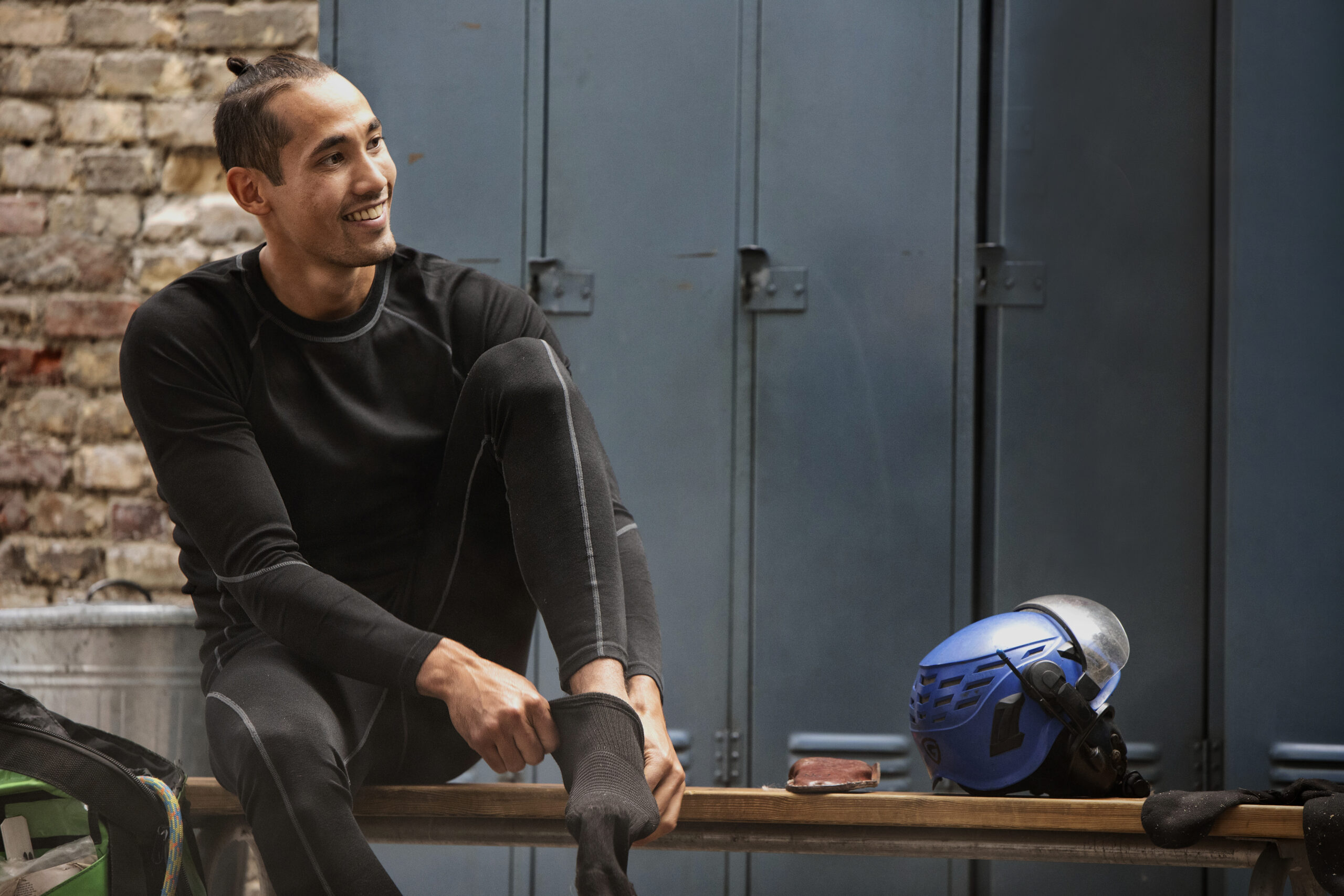
    If your working outside in cold weather it can take its toll on your body. Working in unforgiving environments, loss of, and excess exposure to heat can cause serious problems so it is always important to regulate your body temperature with base layer underwear.

    The primary purpose of a base layer, or thermal underwear set, is to wick moisture away from the skin and keep you dry and comfortable regardless of the weather. Our range includes flame protected men’s base layers and long johns that can be combined with other garments in our flame collection to protect you from the inside and out.

    In workplaces where you’re in colder environments, thermal base layers can provide an essential second skin, giving you an additional insulation layer which will help your body retain heat. For warmer conditions, there are base layer underwear garments which are engineered in a way which draws excess moisture you produce away from your body, and increases airflow around the garment, which in turn helps to keep you cool when you need it the most.

    You can check out our range of Base Layer Work Clothing by clicking on our logo below.

  • Fall Arrest Safety Harnesses, Lanyards & Equipment

    Fall Arrest Safety Harnesses, Lanyards & Equipment

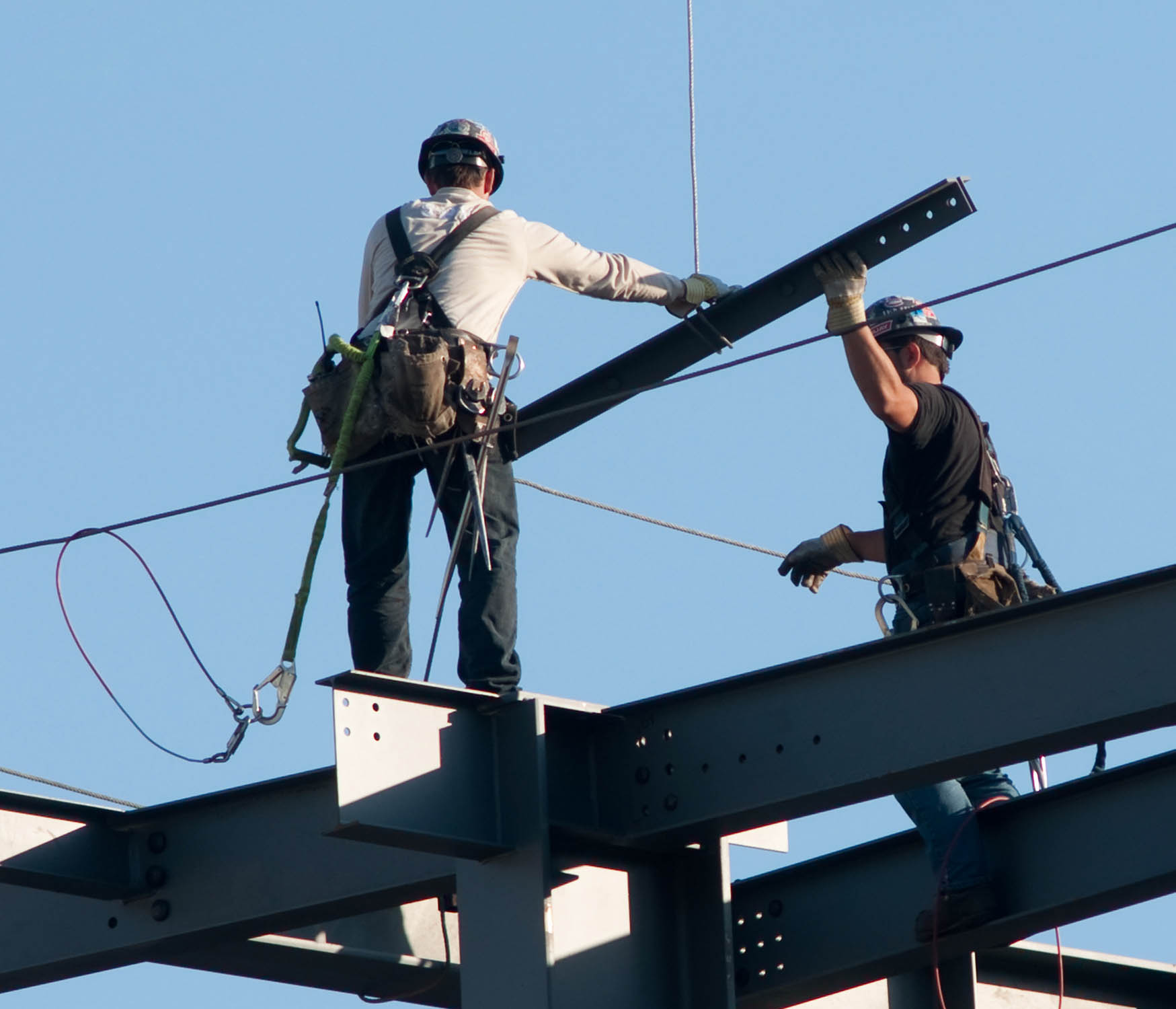
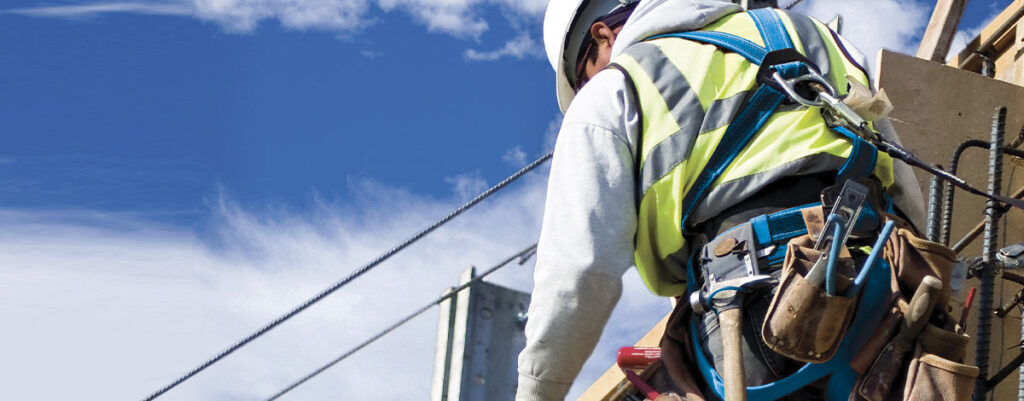
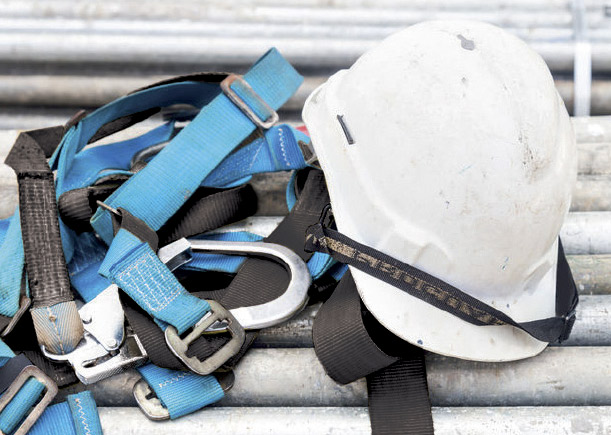
    Our range of Technical Safety Fall Arrest Safety Equipment has been designed to protect workers from falls and other hazards when working at heights. Stringent quality processes are adhered to throughout the ISO9001:2015 manufacturing process to ensure that only quality componentry is utilised in the production of these life critical products. The high tenacity polyester yarns are highly resistant to UV, and have been subjected to colour stability and wash abrasion testing.

    There is a wide range of possible damage to fall arrest equipment caused by misuse and abuse, general wear and tear, edge/surface damage, ultraviolet light, dirt, grit, chemicals and heat. Fall arrest equipment that has been used to arrest a fall should never be reused. It should be withdrawn from service immediately and destroyed or returned to the manufacturer.
    The Personal Protective Equipment at Work Regulations 1992 require employers to maintain fall arrest equipment which is exposed to conditions causing deterioration should be inspected ‘at least twelve monthly’ although more frequent inspections is highly recommended.

    You can view the HSE guide on inspecting webbing and rope fall arrest equipment by CLICKING HERE

    Equipment should be checked before use and regular inspections should be fully documented. Even minor safety harness defects can cause  a significant reduction to the performance of fall arrest gear, for example a one millimetre deep nick or cut in the edge of a webbing lanyard can result in between 5 to 39 per cent loss of strength. Ingress of dirt and UV can also cause damage to the fibres of the webbing, resulting in a similar loss of strength.

    What Damage/Degradation Should I Look For?
    Defects that can weaken Lanyards include.
    Abrasion along the lanyard’s edges.
    Abrasion to webbing and loops.
    Cuts and nicks in ropes and stitching.
    Knot in lanyards that are not part of the original product’s design.

    Chemical Degradation
    Observed by a change in colour which usually appears as a brownish smear or smudge. Transverse cracks appear when belt is bent over tight. This causes a loss of elasticity in the belt. Paint will penetrate and dry, restricting movements of fibres. Drying agents and solvents in some paints will appear as chemical damage.

    UV Degradation
    Do not store webbing and rope lanyards in direct sunlight, because ultraviolet rays can reduce the strength of some material.

    Damage from Friction and Heat
    Nylon becomes brittle and may appear shrivelled and brown. Fibres will break when flexed and should not be used above 82 degrees Celsius. Webbing and rope strands may be fused together by molten metal or flame. Watch for hard, shiny spots or a hard and brittle feel. Webbing will not support combustion, but nylon will.

    How Should my Fall Protection Equipment be Stored?
    You can prolong the life of your safety equipment by maintaining and storing all components correctly. All safety components should be stored away from direct sunlight, in a secure area which is also free from corrosive materials.

    Should I Clean my Fall Protection Equipment?
    Cleaning your fall protection equipment will also prolong its life, so it is always important to remove all dirt and contamination.

    Nylon and Polyester
    Wipe off all surface dirt with a sponge dampened in plain water. Squeeze the sponge dry. Dip the sponge in a mild solution of water and commercial soap or detergent. Work up a thick lather with a vigorous back and forth motion. Then wipe the belt dry with a clean cloth. Hang freely to dry but away from excessive heat.

    Drying
    Harness, belts and other equipment should be dried thoroughly without exposure to heat, steam or long periods of sunlight.

    Click our logo below to view the full range of Technical Safety EN Spec Safety Lanyards & Fall Arrest Equipment.

    Mammoth-Logo

  • FR Clothing Explained

    FR Clothing Explained


    What is FR Clothing?

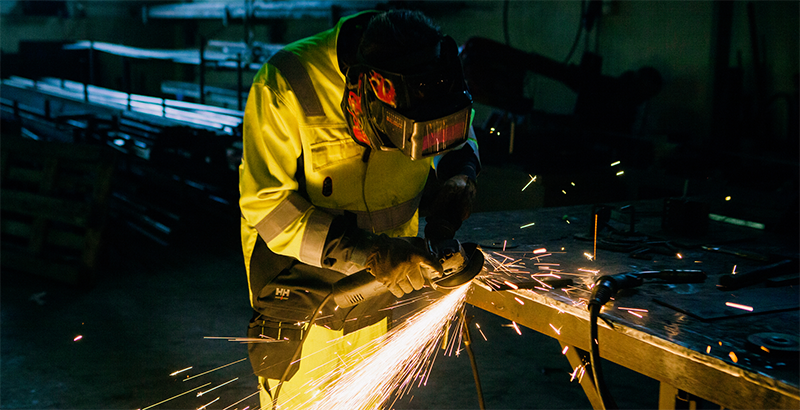
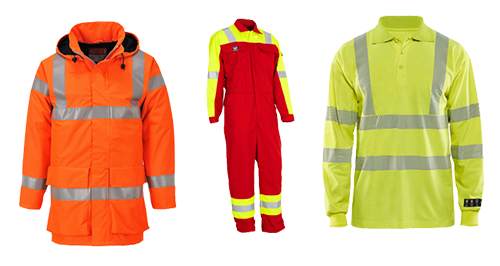
    Flame retardant or FR clothing is designed to ensure protection from open sources of ignition, or from tools and machinery which give off excess heat. Unlike regular work clothing which will normally burn through or catch alight, FR clothing will delay and suppress the spread of flames as well as giving the wearer thermal insulation from heat. These products are specially designed to withstand melting, hence reducing the risk of injury from burns. To increase their effectiveness, FR clothing works best when layered together with baselayer products to offer the highest levels of protection.

    Treated vs Inherent Fabric

    Products designed to protect against the risk of heat and flames can do so via different processes – FR treated and inherent FR. Ultimately they will both provide excellent protection against convective heat and spread of flame, but both have their unique nuances to consider.

    Treated Fabrics

    FR treated fabric refers to products which have undergone a special manufacturing process whereby a combination of chemicals are added to a yarn, fibre or finished fabric composition in order to create a new FR fabric work item. Unlike their inherent counterparts, a chemically treated flame retardant product will begin to lose its FR properties over time, either during the laundering process, or due to exposure to chemicals and other abrasives. With a treated garment it is always essential to follow the manufacturers care instructions, as this will ensure the longevity of the FR properties.

    Inherent Fabrics

    Inherent FR is a term which is lent to fabrics which have had FR properties permanently intertwined into the fibres of the garment itself. Good examples of an inherent fabric are aramid fabrics such as Nomex – which has FR properties present at a molecular level. Modacrylics also benefit from an inherent finish, which is added during the textile process. The advantage of buying an inherent FR product is that due to the introduction of the FR qualities at the fibre level, their protective effectiveness will never diminish over time.
    How do I care for my FR Clothing?

    To ensure the effectiveness of your FR clothing, you should always follow the manufacturers care instructions. Failure to do so will have a detrimental effect on the level of protection they offer, which could result in injury. Never use bleaches or any detergents which include bleach, and when dry cleaning always avoid any solvent – with the exception of Trichloroethylene (TCE). When tumble drying, its also best to do so on a low heat. Many FR garments also share other safety properties, such as retro-reflective stripes and fluorescent finishes, and should be washed separately to help reduce abrasion against other garments. It is also well advised to turn these products inside out when washing them to help further protect them during the laundering process.

    Who would wear FR Clothing?

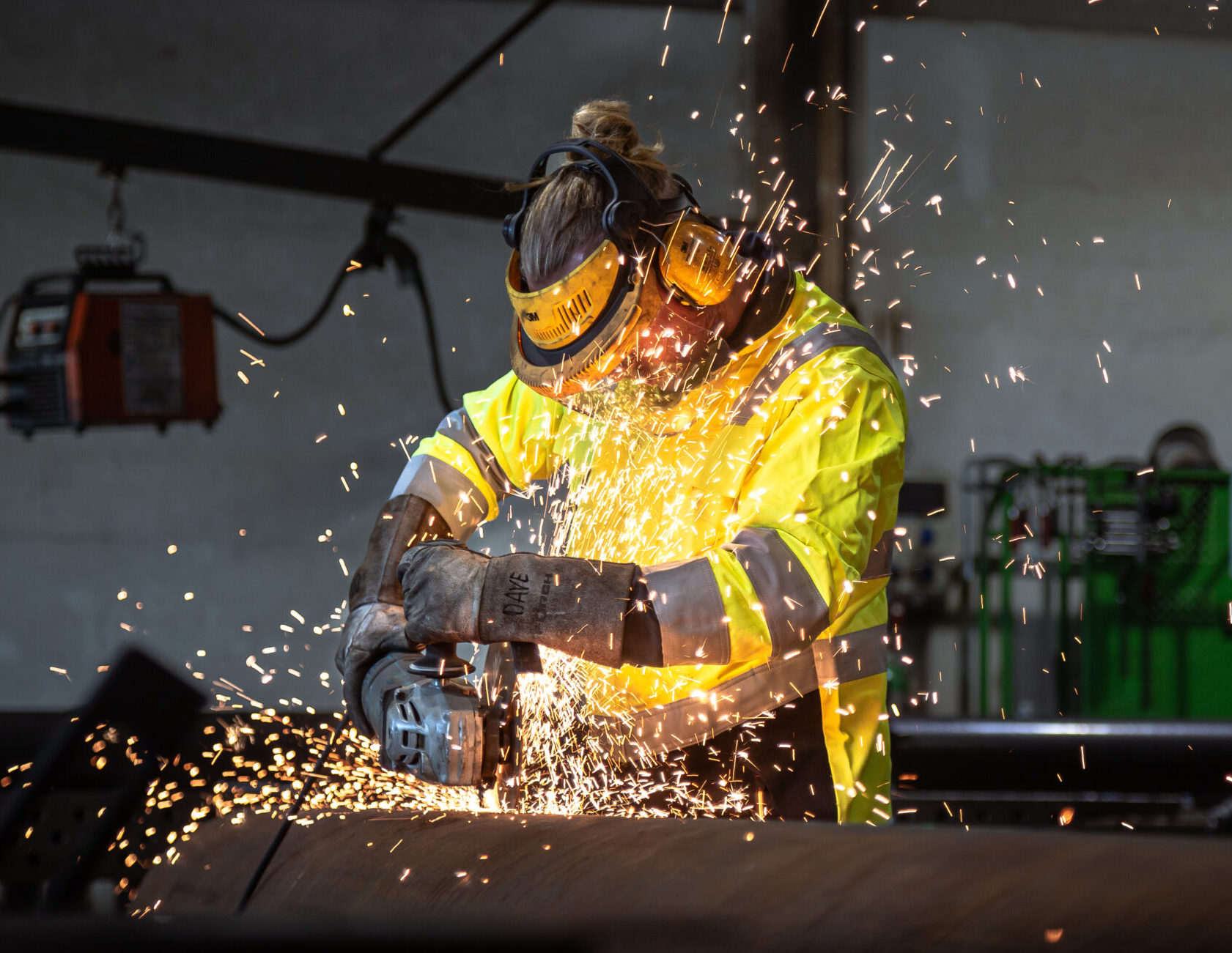
    FR clothing can cater for a number of industries and job roles that require the wearer to work in hazardous environments where they will come into exposure from heat and flame, a great example of this is the petrochemical, oil and gas industries where there is a constant exposure and risk of heat and flame exposure throughout the working day. Welders and fabricators will also come into contact with heat and flame, as well as sources of ignition and sparks, all of which can pose a significant risk to personal safety, should protection not be used correctly.

    FR standards explained

    There are 3 main standards which are applicable for heat and flame exposure, all of which provide slightly different properties covering what hazards they are protecting the wearer against.

    EN ISO 11612:2015

    This is the latest revision of the EN ISO 11612 standard which has superseded EN531, and is given to clothing which is designed to offer body protection (with the exception of the hands) from the hazard of heat and flame. Most FR Overalls, shirts and trousers will fall into this category. There are no specific items which adhere to this standard for the head, hands and feet, however you will find there are EN ISO 11612:2015 products such as gaiters, hoods and overboots which will offer protection. FR clothing falling into this standard is designed to limit the spread of flame in the event of exposure to convective or contact heat, and will also protect against molten splashes.

    EN ISO 14116:2015

    This standard specifies the performance requirements for products which offer limited flame spread properties of all materials, material assemblies and protective clothing. This is designated to products which may expose the user to smaller risks of exposure against fire such as small igniting flames. EN ISO 14116:2015 products are best suited to environments where there is no real significant heat hazards involved. When protection against heat hazards is a necessity, then EN ISO 11612:2015 garments are recommended to ensure your safety.

    EN ISO 11611:2015

    This is the standard which is lent to FR clothing such as hoods, aprons, gaiters and gauntlets which are worn during the welding and allied processes. Garments and accessories which fall into the EN ISO 11611:2015 are designed to protect the wearer not only against short contact times with flame and radiant heat, but to offer protection against the hazard of spatter and small splashes of molten metals, and will also help to minimize the risk of exposure to accidental contact with live electrical conductors, providing protection up to 100 V d.c(approximately) in normal welding environments.

    Additionally, flame retardant clothing may also adhere to a number of additional safety specifications such as EN ISO 20471 for high visibility, EN 343 Foul weather protection, or EN 1149-5 Antistatic protection. Clothing which covers a wide variety of safety specifications is often referred to as Multinorm.

    Click our logo below to view our full range of flame retardant clothing.

    Mammoth-Logo

  • Wear It Pink October

    Wear It Pink October

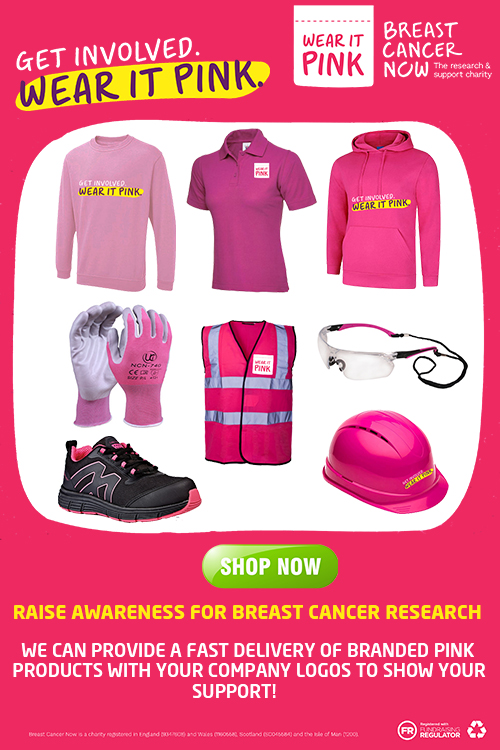
    Breast Cancer Now’s Wear it Pink day is one of the biggest fundraising events in the UK. Taking place during Breast Cancer Awareness Month, thousands of amazing people Wear it Pink in their communities, schools or work places for the UK’s largest breast cancer charity, Breast Cancer Now.

    We will donate 10% of the sale of Pink products until the end of October 2024

    CLICK LOGO TO SHOP

  • Leo Sustainable Workwear

    Leo Sustainable Workwear

    Leo Workwear carefully select the factories, fabric mills and component suppliers they work with, ensuring they have commitments and practices in line with Leo’s strict environmental and social responsibility expectations.

    Manufacturing in a handful of factories, powered by renewable technology across several countries enables Leo to be nimble and adaptable and to play to their suppliers’ strengths and expertise.

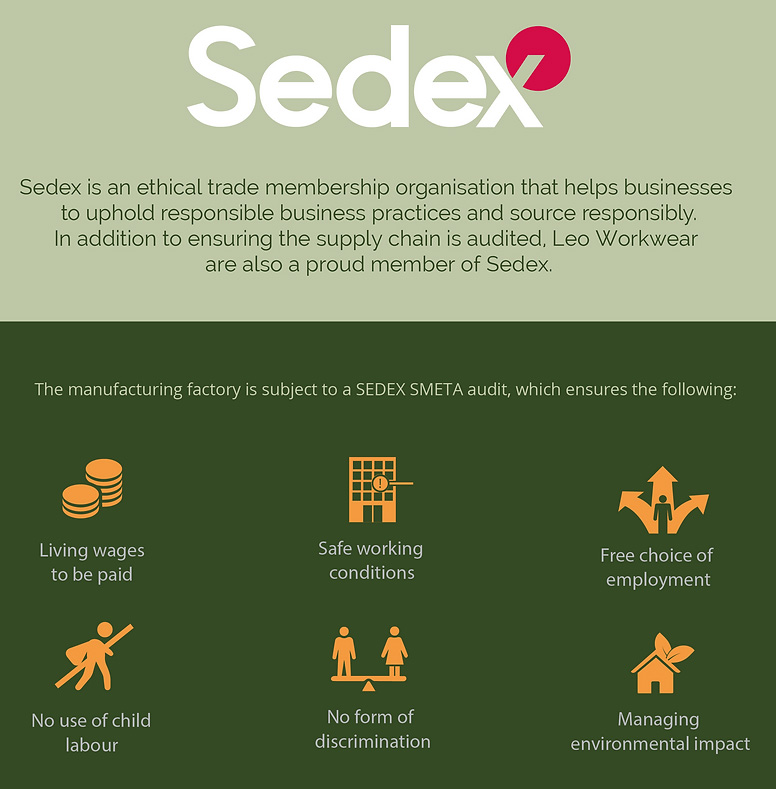
    Leo are members of Sedex which is an ethical trade membership organisation that helps businesses to uphold responsible business practices and source responsibly.

    ISO 14001 is an international standard that sets out the requirements for an environmental management system. It helps organizations improve their environmental performance through more efficient use of resources and reduction of waste.

    Since 2021, Leo Workwear have been ISO 14001 accredited, as are much of the supply chain throughout Bangladesh, Japan and China.

    PACKAGING & TRANSPORT
    At Leo, they believe that keeping our garments clean, dry and protected before they’re worn is essential, and there’s no better solution for this than a plastic bag.

    A circular, sustainable approach to packaging is essential for the future of our planet and so they partnered with Change Plastic for Good® to create the Leo Cares bag. They feature an innovative biotechnology called BDP® from Change Plastic for Good®, which responsibly deals with the end of life. BDP® tricks microbes into consuming the bag which becomes a source of food for microbes.
    No microplastics left behind, just compost and natural gas.

    GARMENT END OF LIFE
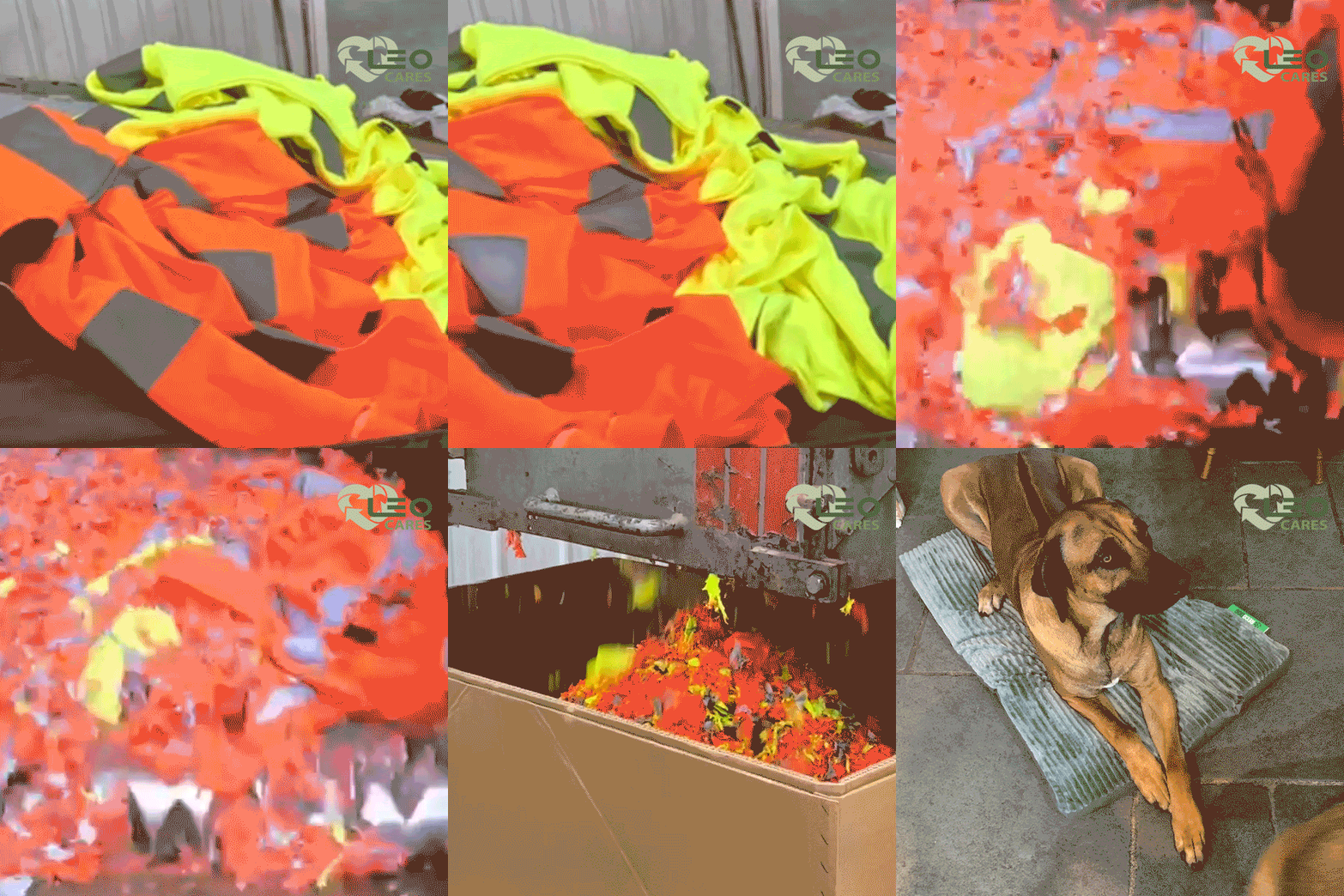
    When dealing with products at the end of life, Leo Workwear have partnered with UK based Avena, who are experts in securely recycling textiles and other items of PPE. Avena collect, destroy and recycle your (or your customer’s) textiles and PPE.

  • Hand Protection

    Hand Protection

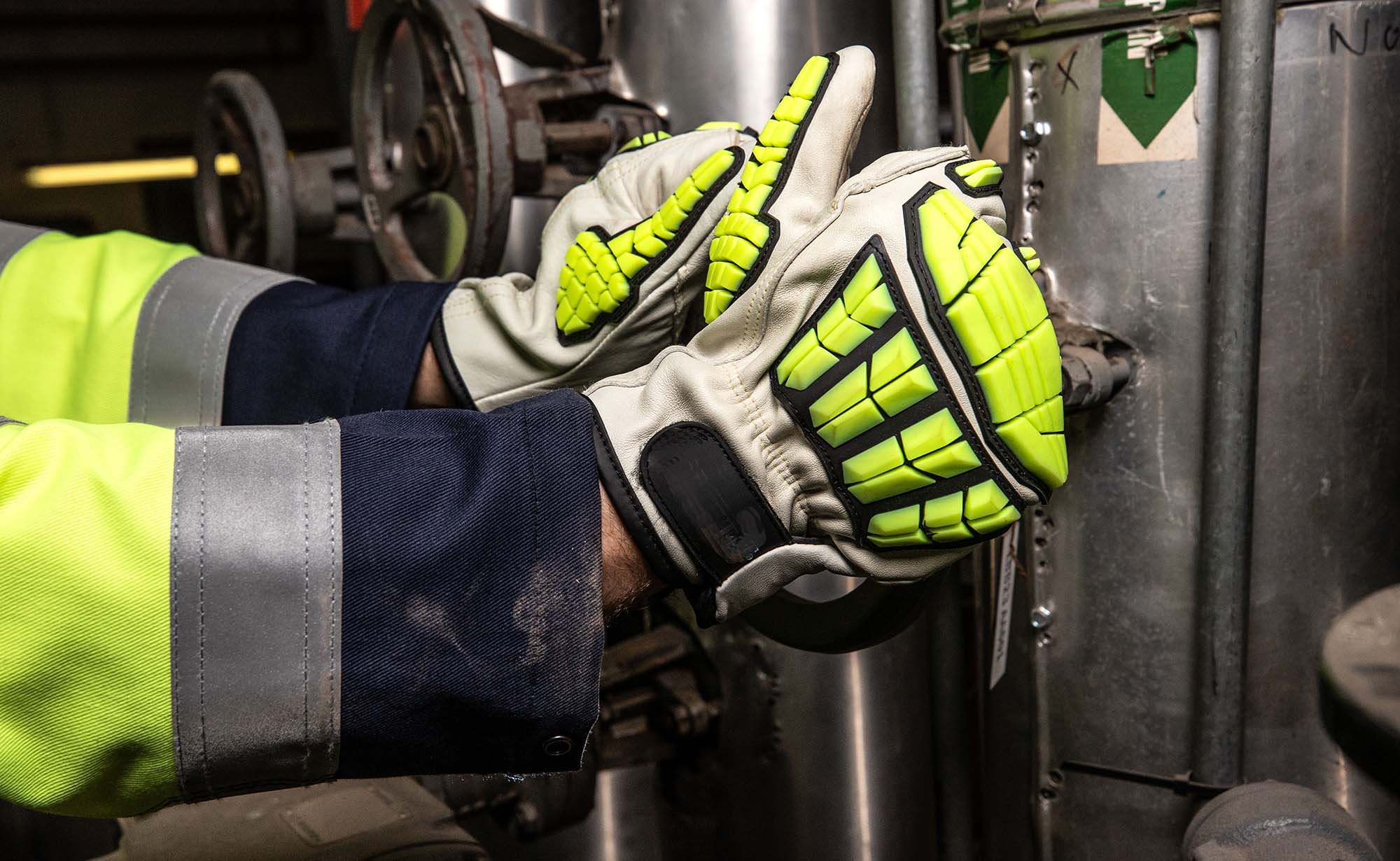
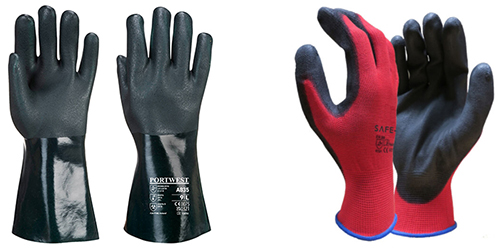
    Hand protection is designed to guard against a wide range of hazards, including: cuts and abrasions, extreme temperatures, skin irritation and dermatitis, and contact with toxic or corrosive substances.

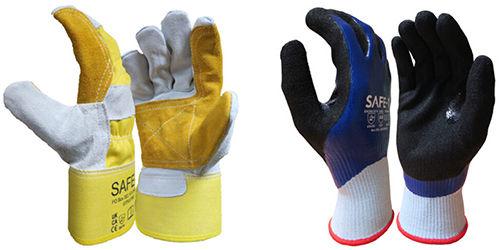
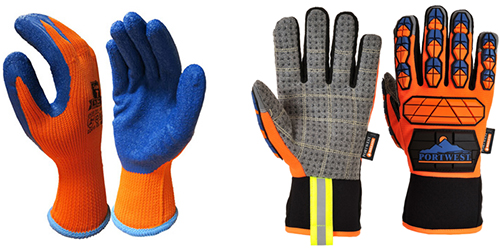
    Gloves are one of the best ways to protect your hands against injuries. There are many types of gloves that are designed to protect your hands. Metal-mesh gloves resist sharp edges and prevent cuts. Leather gloves shield your hands from rough surfaces.

    Care

    Gloves should be inspected for signs of degradation or puncture before use.

    Disposable gloves should be changed when there is any sign of contamination. Reusable gloves should be washed frequently if used for an extended period of time.

    Before removing them, wash the outside of the glove. To avoid accidental skin exposure, remove the first glove by grasping the cuff and peeling the glove off the hand so that the glove is inside out the wash hands with soap and water.

    Click our logo below to view our Mammoth range of Safety Gloves

  • Helly Hansen UC-ME Hi-Vis Range

    Helly Hansen UC-ME Hi-Vis Range

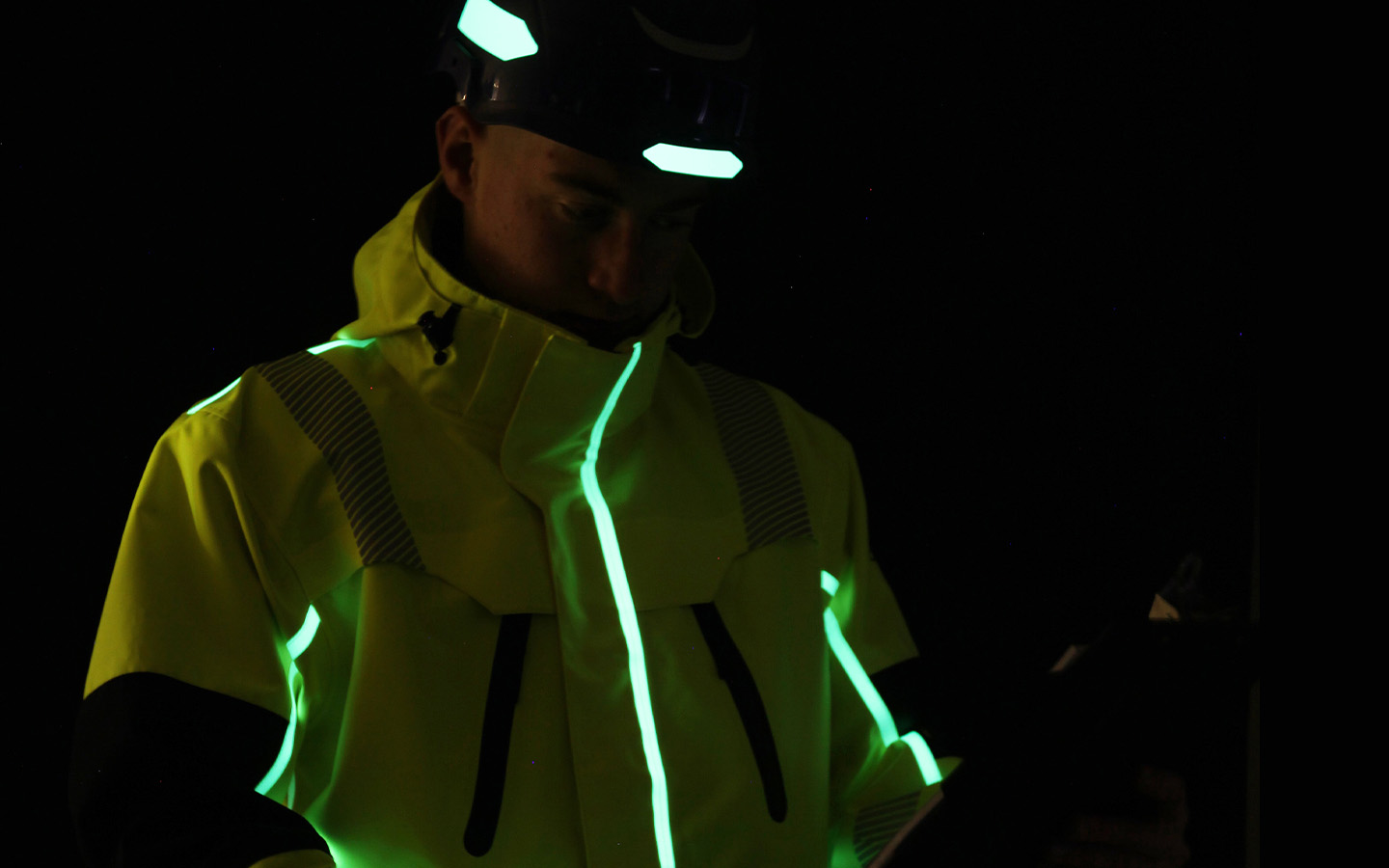
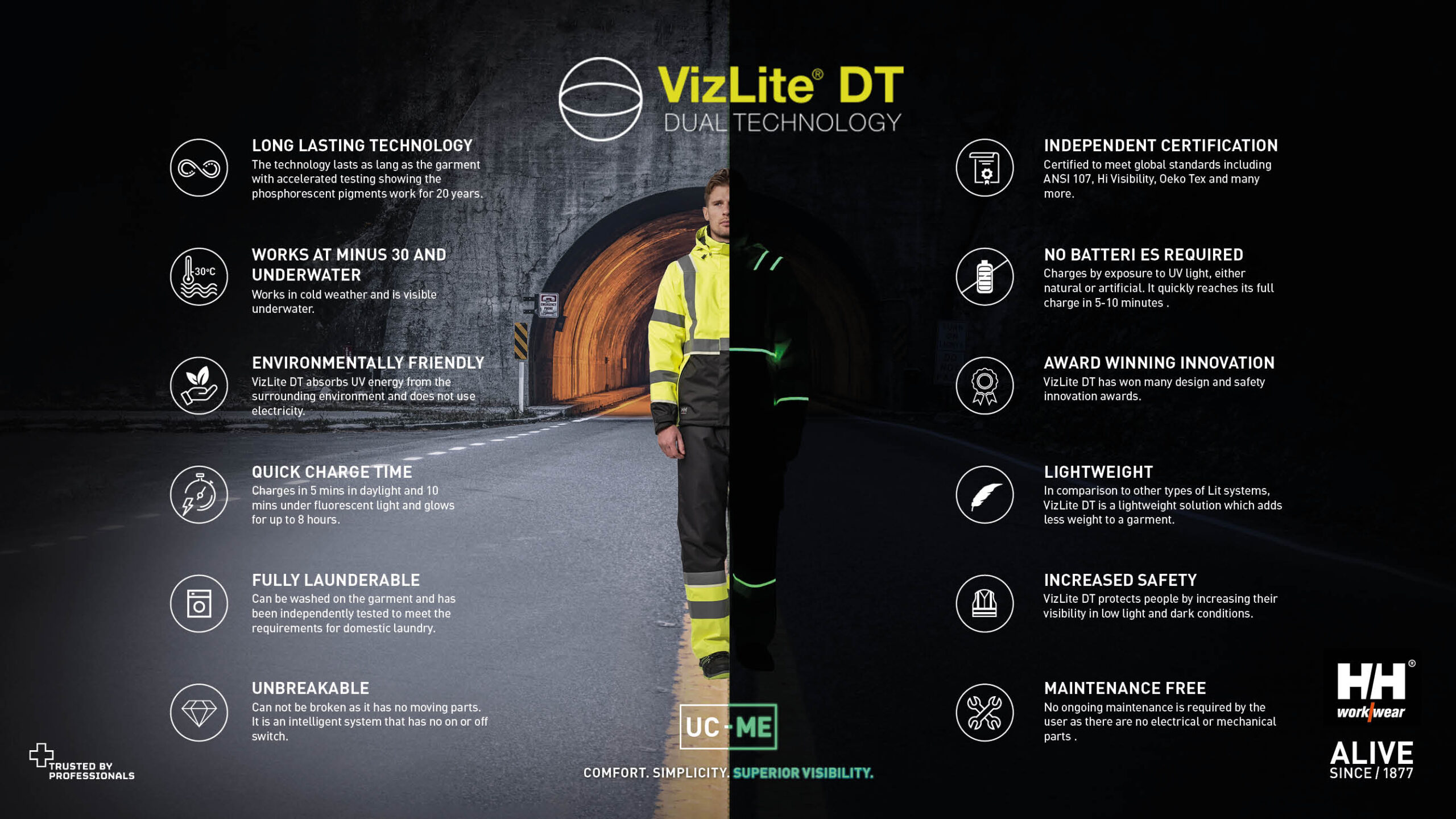
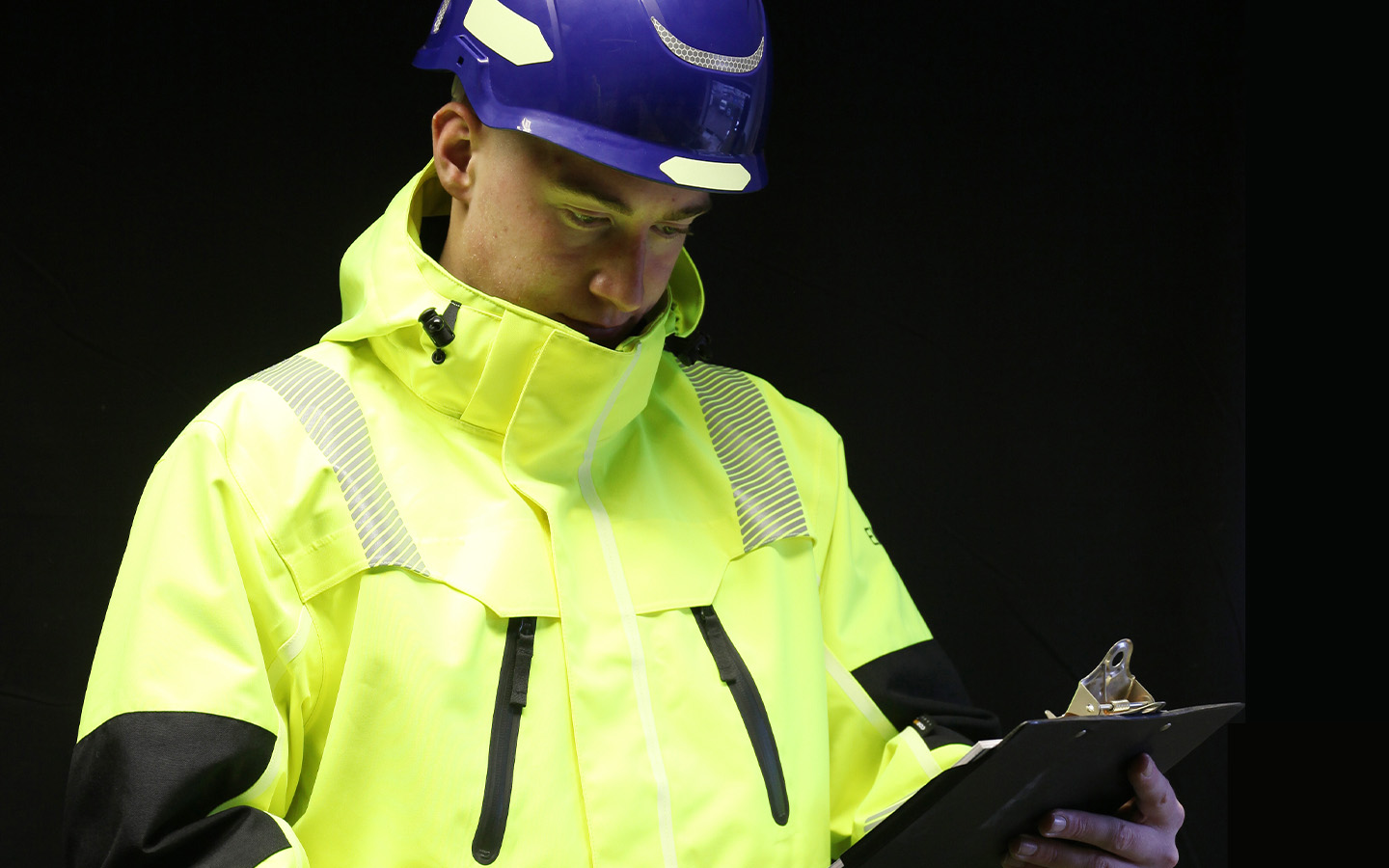
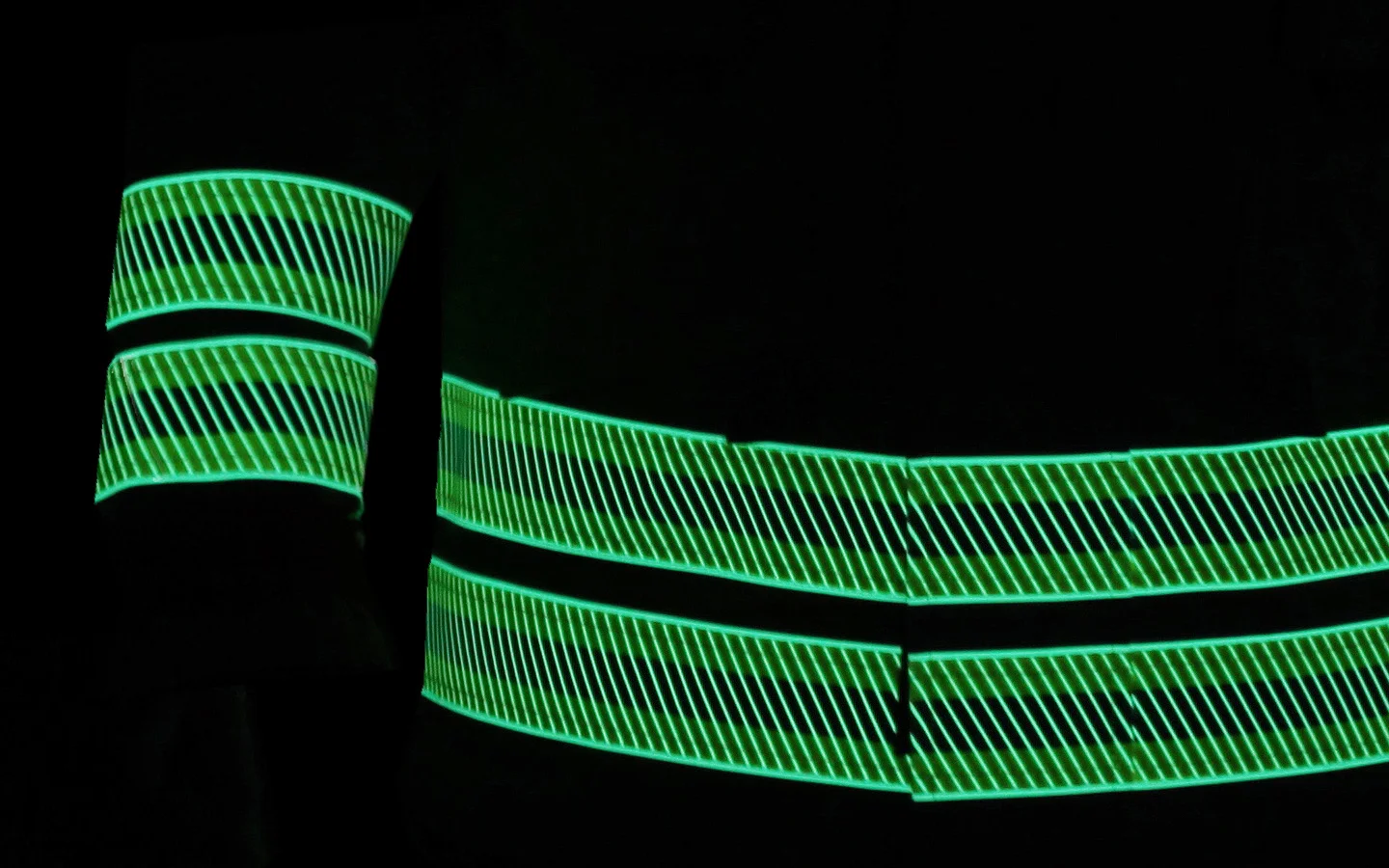
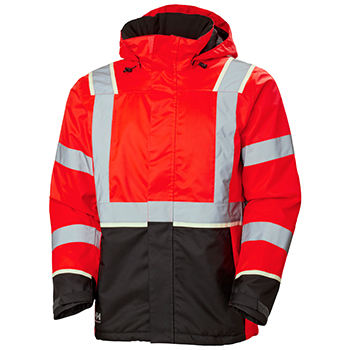
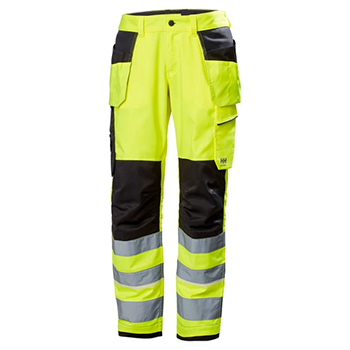
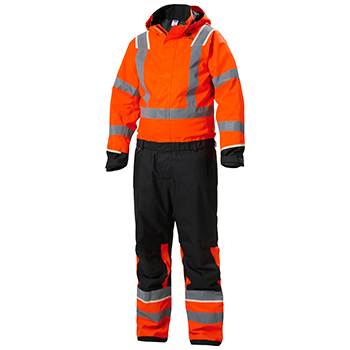
    The Helly Hansen Workwear range of UC-ME Hi-Vis Winter clothing uses the award winning VizLite DT technology which is a combination of phosphorescent and reflective materials that increase visibility in all light conditions.

    A Revolution in Safety

    Currently, Hi-Vis garments rely on fluorescent fabrics to enhance the wearer’s visibility in daylight, and retro-reflective materials to reflect back vehicle headlights in darkness. VizLite DT phosphorescence offers a third level of protection, when there is low light or no light, by giving off an intense glow for up to 8 hours, without the use of electricity. VizLite Dual Technology phosphorescence is charged by ultraviolet light after five to ten minutes of exposure. The Helly Hansen range of VizLite Dual Technology products have been designed and manufactured to meet the needs of the global safety market.

    Phosphorescence

    The pigments used in VizLite DT phosphorescent have been formulated  to ensure a quick charging time of between 5 and 10 minutes, a strong  level of afterglow brightness, extensive wash performance, and a long lasting afterglow of up to 8 hours.

    VizLite DT phosphorescent materials absorb UV light energy from either natural or artificial light, which is then re-emitted as an afterglow in low light and dark conditions.

    When there is no light source or reduced light, phosphorescence is highly visible.

    VizLite DT increases safety and protects people by increasing their visibility in low light and dark conditions.  The Helly Hansen UC-ME Winter Range is perfect for your Hi-Vis glow in the dark workwear.

    The garments are manufactured using recycled polyester and are maintenance free.

    Check out the range of Helly Hansen UC-ME Winter Hi-Vis products on our website by clicking the logo.