Taking care of your work clothing is important. Without taking the correct care for your garments, you run the risk of impacting the effectiveness of the product. This can lead to the garment not giving you the protection it advertises. All protective work clothing has different
ISO 20471 High visibility clothing care
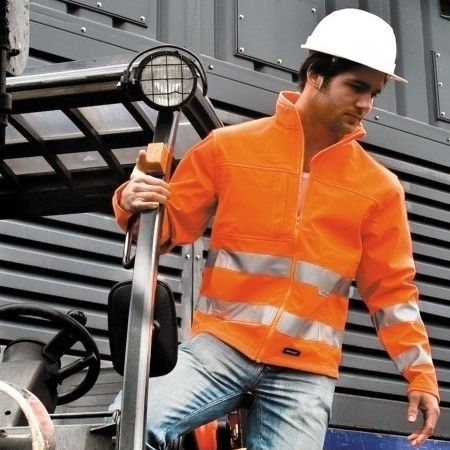
The purpose of high vis clothing is to give the wearer improved visual acuity whilst onsite or working in low light or hazardous areas. If high vis clothing isn’t taken care of and laundered correctly, it can damage both the fluorescent fabric finish, and the overall effect of the reflective stripes. If this happens, your work clothing no longer meets the EN 471/ISO 20471 rating it had before, making it hazardous to wear. If you decide not to wash it, then grease and dirt buildup will have the same dampening effect on the reflective properties.
- Always was hi vis clothing separately from other clothes, or together with other EN471/ISO20471 clothes.
- Turn the products inside out before putting into washing machine.
- Avoid detergents that contain optical whiteners.
- Do NOT use fabric softeners or bleaching agents.
- Ensure all zips are secured.
- Follow the manufacturers general temperature guidelines.
Following these simple steps will make your work clothing care for high vis much easier, and keep the garments in great shape! If your Hi Vis uses a GORE-TEX fabric, always tumble dry them at a low temperature, as this helps to “reactivate” the weather resistant properties.
FR Clothing Care
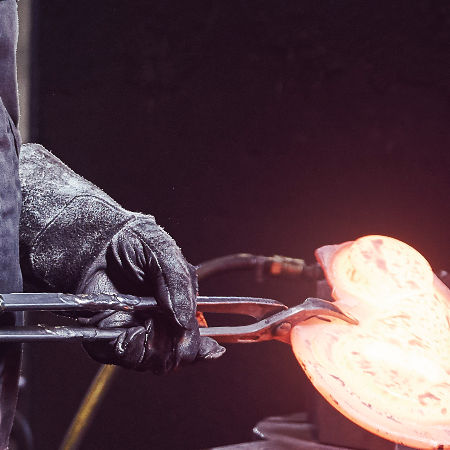 For soiling on FR garments, pre-soaking in conditioned warm water, with use of a stain remover* to get rid of soiling. Also bare in mind that hard water can precipitate soap, resulting in a build-up of magnesium salts and calcium. These can actually have an adverse effect on the clothing, adding fuel to the combustion process. As with the high vis clothing, always turn your FR clothing inside out prior to washing.
Fill your washing machine no more than two thirds of its capacity to allow the clothing to move around free and help the cleaning process. Always launder FR clothing separate from other clothing types, on a “normal” or “cotton care” cycle at a temperature of 60c maximum. For FR clothing care, you can use a regular home laundry detergent.
-
- Always avoid using starch or fabric softeners.
- Never launder FR clothing with chlorine bleach, or liquid nonchlorine bleach.
- If contaminants remain after a wash, the FR clothing may require professional laundering.
- Never “over dry” your FR clothing.
FR clothing comes in two types – Inherent and treated fabrics. Treated fabrics will degrade with washing, but inherent FR products are protective at the fibre level, so they are far better lasting in comparison.
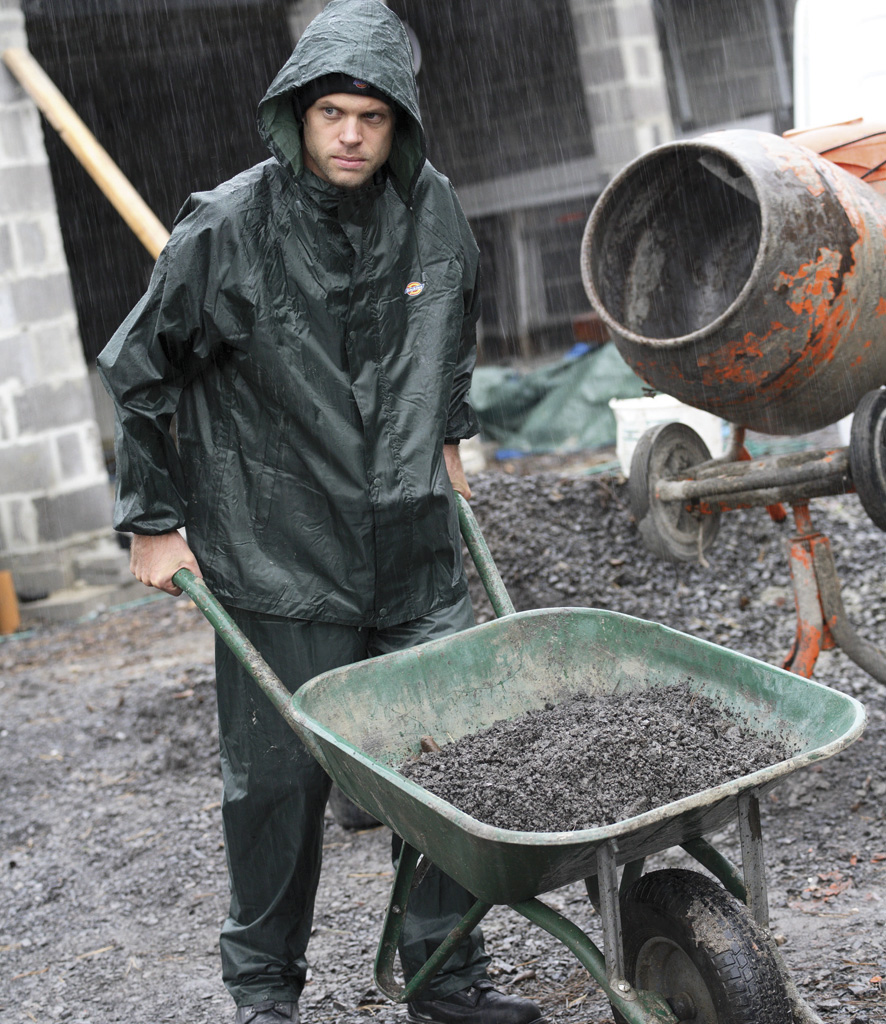
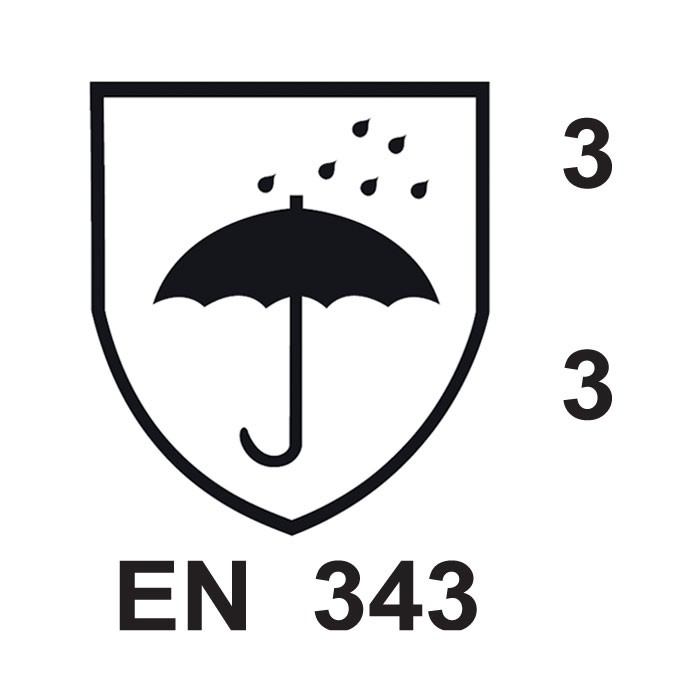
Waterproof clothing care
 Waterproof clothing is normally treated with a coating which gives them their protective qualities. Before laundering, ensure all loose soiling is removed, and close all the zips, flaps and pockets on the product. Ensure also that you avoid detergents and fabric softeners, as they can break down the fibres of the products itself, with each wash making the product less and less effective against foul weather.
- Always use specific cleaners designed for technical outerwear.
- Check that the detergent compartment in your machine and ensure it is clean/empty.
- Wash waterproof clothing with only 2-3 other waterproof items at a time.
- Use a wash and rinse cycle of 30c for best results*
- Leave products to air dry, or if the care instructions say otherwise they can be tumble dried.
Treated waterproof fabrics will degrade over time, and if you find your trousers or jacket is absorbing rather than repelling, the writing may be on the wall and you might want to invest in a new jacket. There are products available which can “re-proof” the fabric. If after treating the product still leaks, its definitely time to look for some new Waterproof clothing.