The construction organisation Build UK are responsible for bringing workers from across the building industry together. Focusing on key issues which the industry faces, they represent over 40% of the UK’s construction trade. They also work alongside Trade Associations, Contractors and clients to deliver economically viable construction projects all over the country.
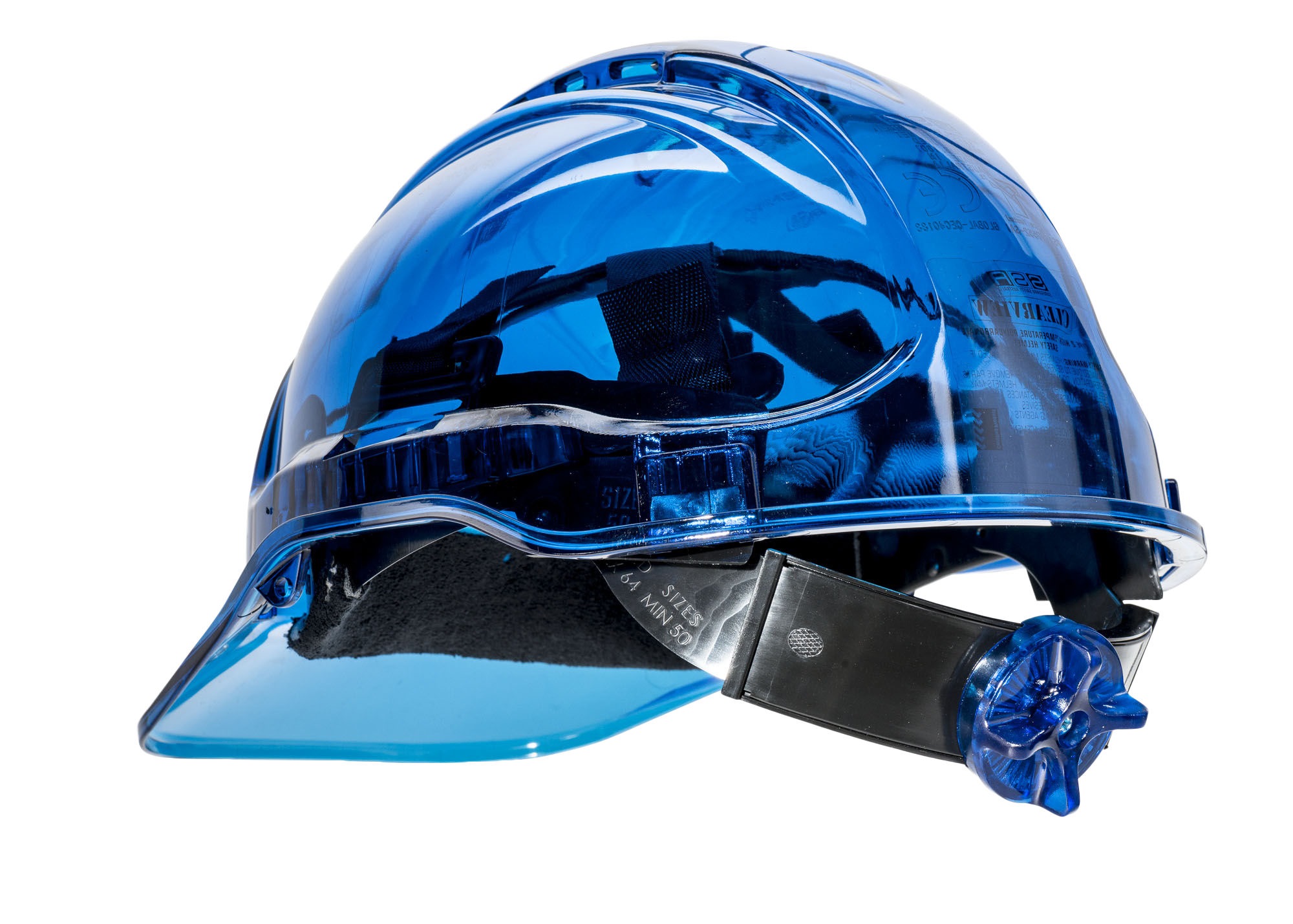
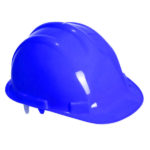
They revamped the colour coding system for hard hats, to help improve onsite communication and to easily identify visitors and supervisors.
Highways England have adopted this new scheme, as part of its ‘Raising the bar’ health and safety initiative which identifies the best practices, and raises standards, improving supply chain engagement.
New hard hat colour coding system
The new system is as follows:
Black – Supervisors
White – Site manager/competent operative/vehicle marshall
Orange – Slinger/Signaller Blue – Miscellaneous staff/site visitors
In addition to these new colour coding regulations, hard hat stickers will be given to both fire marshalls and first aiders. As with previous standards, all helmets deployed on work sites must conform to BS EN 397. The new standard and colour coding system will not be employed by Network Rail, as their PPE standards only permit the use of white and blue hats.
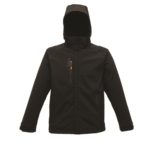
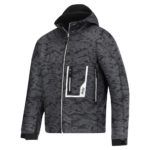
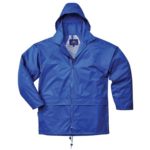
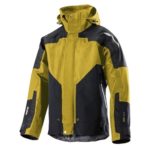
When purchasing a new work jacket, there are several different factors to consider. Our simple how to guide on selecting the right work jacket for the right job should help you to make the correct decision.
Sizing And Fitting
When picking a new work jacket, ensure you have the right fit. Each manufacturers’ sizing guides vary, so always make a note of your measurements. Even if you regularly wear a medium, that doesn’t mean every medium will fit.
[ap_column_wrap]
[ap_column span=”2″]
In order to get the perfect size for you, measure horizontally across the widest part of your chest; as illustrated by the image on the right. When doing this, ensure that you keep the tape measure totally straight across your back.
Doing this not only gives you a great fit, but will ensure that you don’t have a jacket which is either restrictive to your movement, or too loose that it could get caught on machinery.
Although most jackets provide basic protection, you’ll find there are more in depth products designed to protect against not only the elements, but also against occupational hazards.
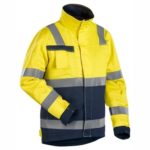
For example – if you work on a building site, roadside or at the side of tracks then ideally products which conform to EN ISO 20471, the standard for work clothing for low light conditions. Welders and engineers would greatly benefit from EN ISO 11611 jackets, designed to protect them against molten splash, arc flash and radiant heat amongst other hazards.
For more information on EN ISO specifications, you can find out more at our EN SPEC page.
Assess your environment and weather conditions
Picking a work jacket on function alone isn’t enough to offer complete protection, especially when it comes down to the unpredictability of the elements. So it is always worth taking a look at the kind of environment you will be working in.
Looking at things such as the fabric weight of a product, the lining and the presence of padding are a good initial indicator as to what kind of environment each jacket will be perfect for.
It’s also worth looking at the particular fabric of a jacket, as products which are waterproof for example, can come in lightweight styles, although thermally they can be ineffective – so even though they’re lightweight in appearance you may end up sweating in them.
Selecting the right jacket for the right environment
So how do you know what sort of jacket is perfect for your job role? As previously mentioned there are many factors to this. Below you will find the best types of jacket for each season.
Spring
We’ve not quite hit summer yet, and on the tail end of the winter you might find the weather swings from one extreme to the next. Something to wear which will offer you warmth and protection from the wind, but keep you cool when conditions are optimal is the preferred choice.
Our picks:
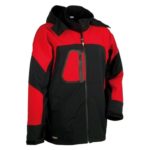
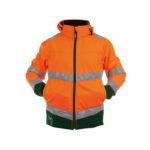
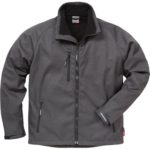
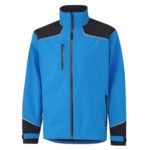
Cofra Sweden Softshell Cofra Malaga Hi-Vis Softshell Fristads 4500 SSM Softshell Helly Hansen Chelsea Softshell
*Click the images to view the products
Summer
For the warmer months, a jacket may not even be necessary in the daytime, but later in the afternoons and the evenings you may want something which offers some limited protection from the weather – lightweight and breathable.
Our picks:
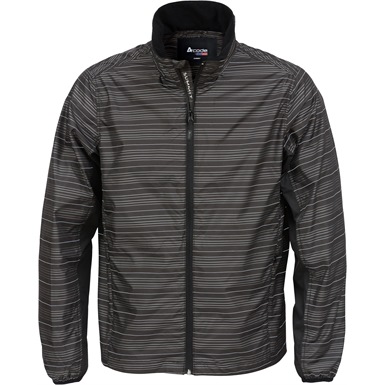
Fristads A CODE Reflective JacketBlaklader 3160 WaistcoatDassy Avila Summer Body WarmerCastle Wroxham Bodywarmer
*Click the images to view the products
Autumn
Autumn can be a wet, dreary time of the year, so the focus here should be on buying something which gives you adequate cover against rain.
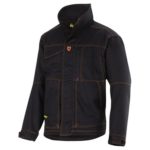
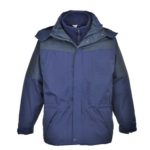
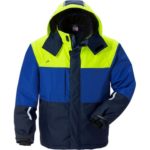
Winter styles lend themselves to keeping you warm when the temperature plummets, whether this is outdoors braving the elements themselves or inside braving the cold store – you’re going to want a jacket which offers excellent thermal properties.
 [/ap_column]